Extreme Lateral Interbody Fusion (XLIF)
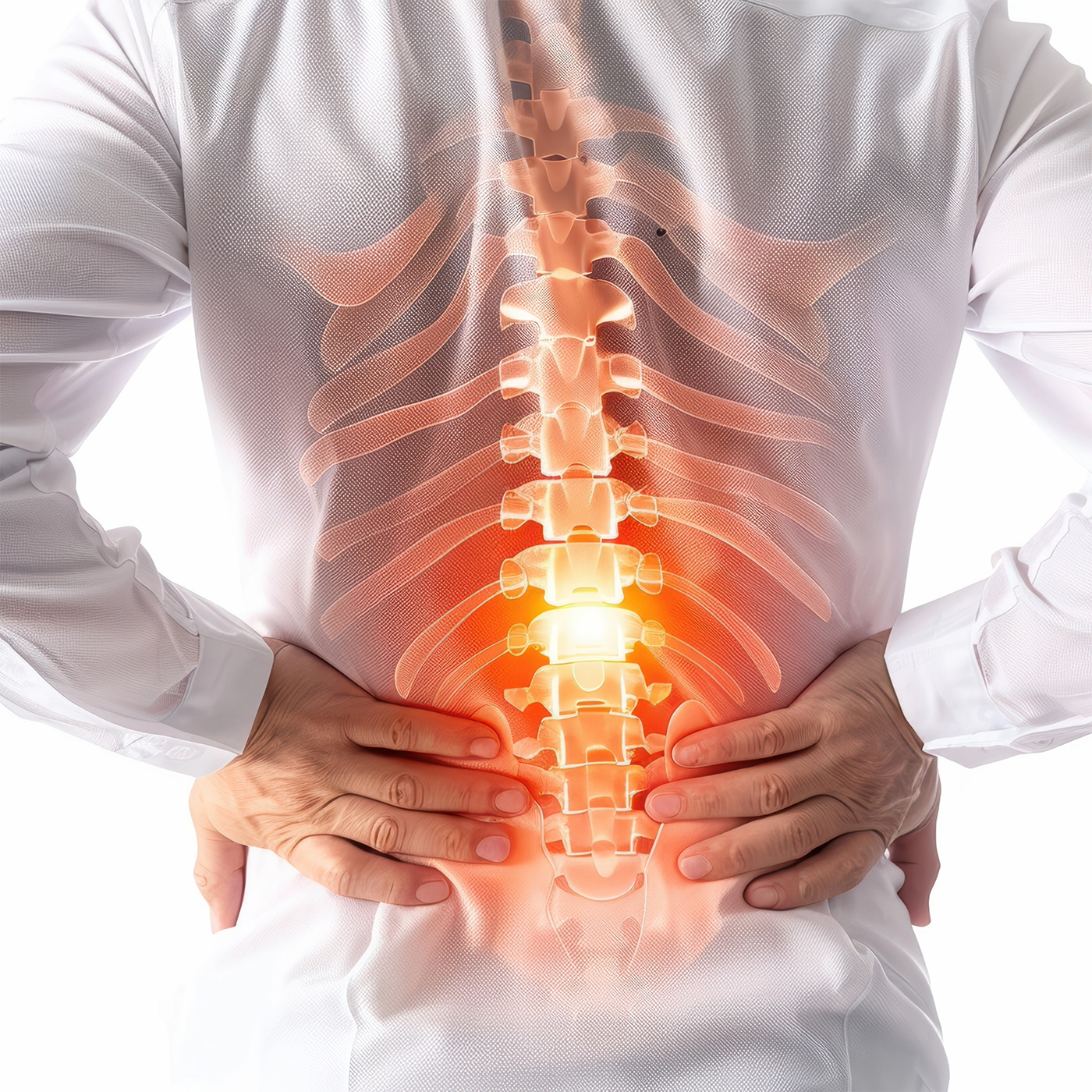
Extreme lateral interbody fusion (XLIF) is a minimally invasive spinal surgery used to treat degenerative conditions of the lower back. This technique allows surgeons to access the lumbar spine from the side of the body, reducing trauma to the back muscles and providing a faster recovery for many patients.
XLIF is typically recommended when conservative treatments have not relieved pain caused by conditions such as degenerative disc disease, spondylolisthesis, or spinal stenosis.

What to Expect
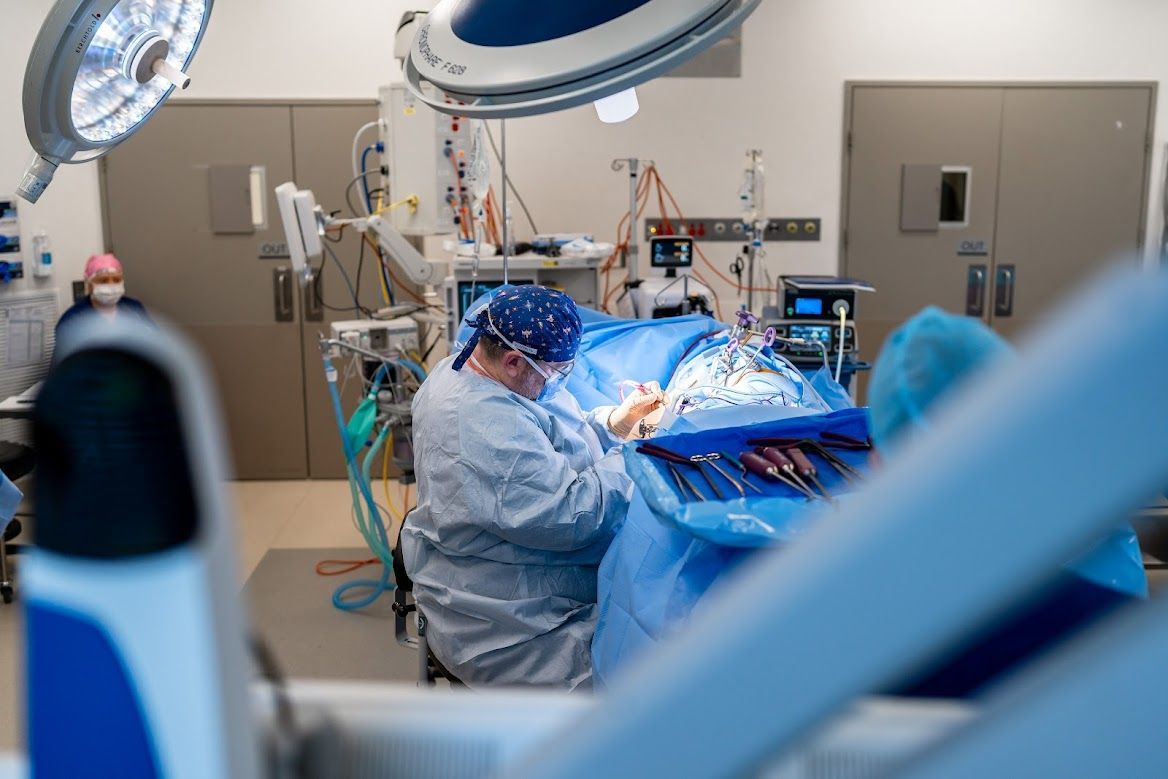
During XLIF surgery, a small incision is made in the side of the body near the waistline. This lateral approach allows the surgeon to avoid cutting through the back muscles. Through this opening, the damaged disc is removed and replaced with a bone graft or implant that restores disc height and relieves pressure on nearby spinal nerves.
Additional hardware — such as screws or rods — may be used to stabilise the spine and support fusion between the vertebrae.
Benefits of the XLIF approach may include:
- Less muscle disruption compared to traditional back surgery
- Reduced post-operative pain
- Shorter hospital stay and quicker recovery
- Improved spinal alignment and nerve decompression
What to Expect at Your Consultation
At your initial consultation with Illawarra Brain & Spine, your neurosurgeon will:
- Take a detailed history of your symptoms and lifestyle impact
- Perform a neurological and spinal exam
- Review imaging (MRI, CT, or X-rays) to identify the affected spinal level
You’ll receive a clear explanation of your diagnosis and treatment options, including whether XLIF suits your condition. If surgery is appropriate, we’ll walk you through what to expect before, during, and after your procedure.
Post-operative Care for XLIF
After surgery, your recovery plan will be tailored to your condition and needs. Standard post-operative care includes:
- Pain and inflammation management
- Supportive physiotherapy to improve strength and mobility
- Monitoring for wound healing and signs of infection
Your surgeon will assess your progress during your four-week post-op review, where you’ll also receive guidance on returning to driving and everyday tasks.
Tip: Staying active (within your limits) supports a faster, safer recovery. Gentle walking is often encouraged early in your rehabilitation.
You’ll also need to see your GP one and two weeks after surgery for wound checks, prescription support, and ongoing follow-up.
Frequently Asked Questions
How long will the recovery after XLIF surgery be?
Recovery varies, but many patients resume light activity within a few weeks. Complete fusion and healing may take 3–6 months or more, depending on the individual and the fusion level.
Is XLIF less painful than traditional lumbar fusion?
Yes, XLIF avoids cutting through the large muscles in the back, which may reduce pain and speed up recovery for many patients.
Will I need to stay in the hospital overnight?
Some XLIF procedures are performed as day surgeries, but many patients stay for 1–2 nights depending on their condition and post-operative needs.
Can I bend or twist after XLIF?
Movement restrictions will be explained after the surgery. You’ll likely need to avoid heavy lifting and twisting for several weeks to protect the fusion site.
Do I need a referral to see a neurosurgeon?
Yes. A referral from your General Practitioner (GP) or specialist is required before booking a consultation.
Already Have a Referral?