Brain Tumour
A brain tumour is an abnormal growth of cells in or around the brain. These can develop in different areas, including the brain tissue, brainstem, skull base, protective linings (meninges), and nearby structures like the sinuses. Tumours from areas such as the sinuses or nasal cavity can sometimes extend toward the brain.

Types of Brain Tumours
Benign Tumours
Slow-growing and typically non-cancerous, but they can still affect brain function depending on their size and location. In rare cases, certain benign tumours may transform into malignant forms over time.
Common benign tumours include:
- Meningioma
- Schwannoma
- Pituitary tumour
Malignant Tumours
Cancerous tumours that often grow rapidly and may affect nearby healthy brain tissue. Malignant tumours are usually classified as grade III or IV, depending on their aggressiveness and cellular features. Some types, like astrocytomas and ependymomas, can range from lower-grade to higher-grade forms.
Types include:
- Astrocytoma
- Ependymoma
- Glioblastoma
- Oligodendroglioma
- Medulloblastoma
Symptoms
Symptoms depend on the tumour’s size, location, and how quickly it’s growing.
- Headaches
- Seizures
- Changes in vision, speech, or hearing
- Cognitive changes
- Balance or coordination issues
Treatments
Surgery is the most common treatment for brain tumours. If a tumour cannot be entirely removed due to its location (e.g., brainstem), alternative options like radiation therapy or chemotherapy may be considered.
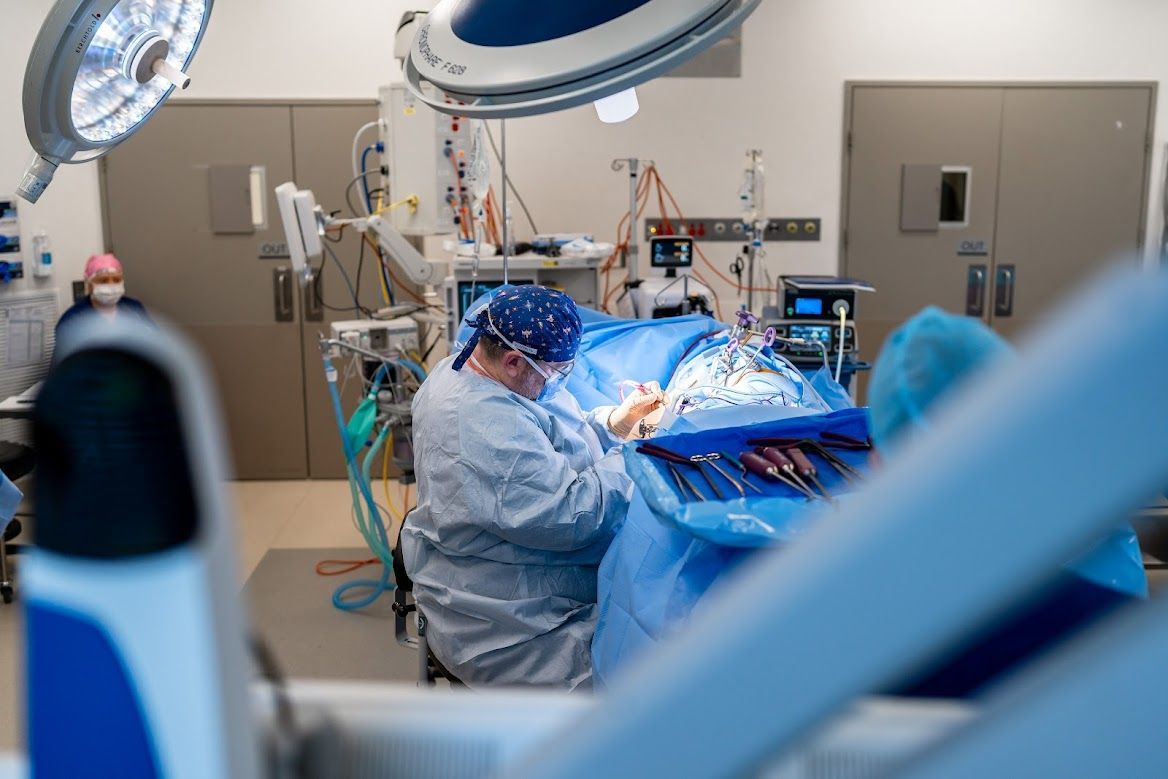
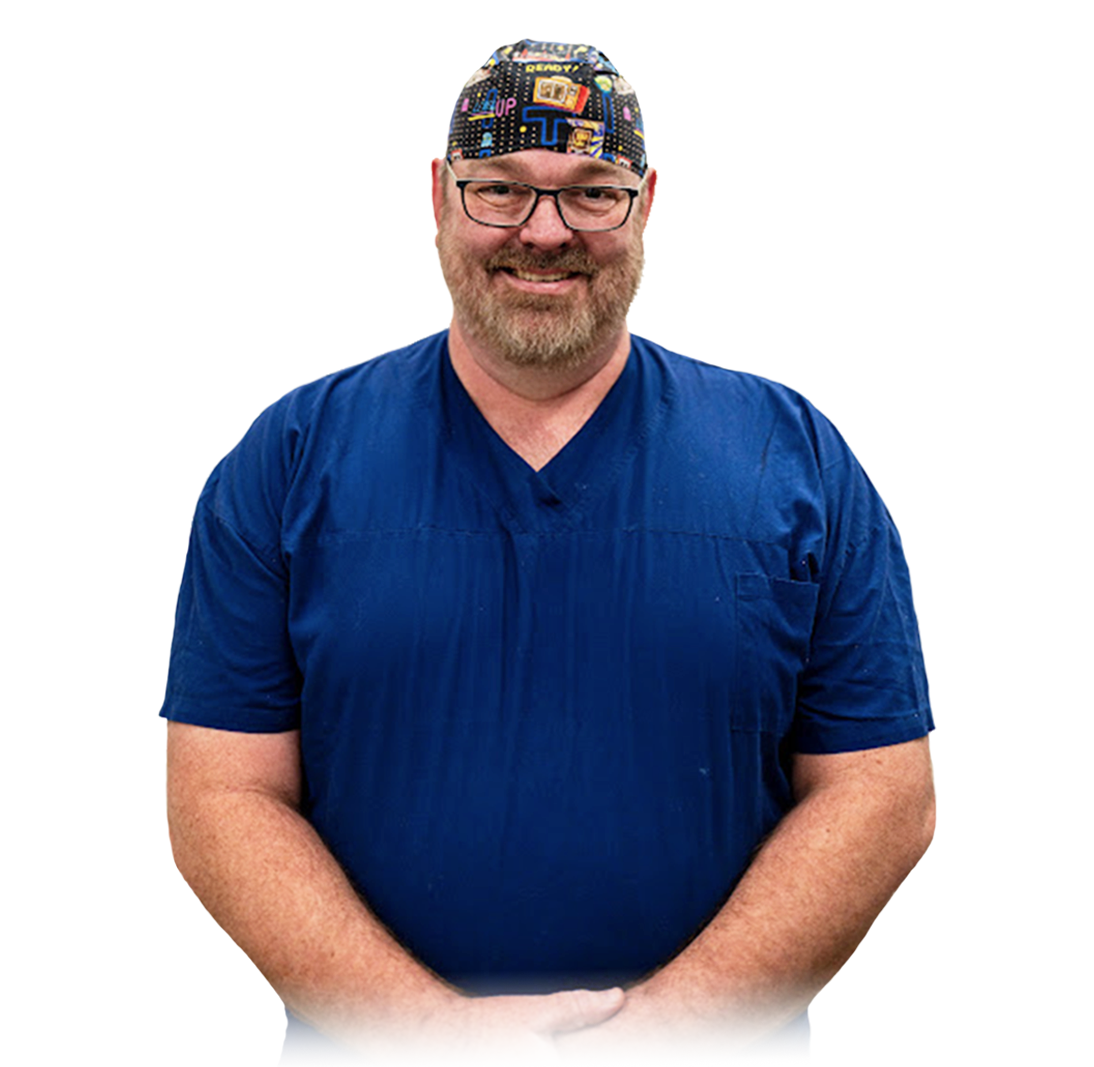
Dr Pitham uses advanced techniques to perform delicate brain surgeries with precision and care.
What to Expect at Your Consultation
At your initial consultation, we will:
- Review your medical history and referral
- Discuss your symptoms
- Perform a physical examination
- Talk through your diagnosis and the most suitable treatment plan
We ensure you understand your options and feel confident in the next steps.
Frequently Asked Questions
Why might I need to see a neurosurgeon for a brain tumour?
If your GP suspects a brain tumour based on your symptoms, they’ll refer you for further testing and expert evaluation.
What tests are used to diagnose a brain tumour?
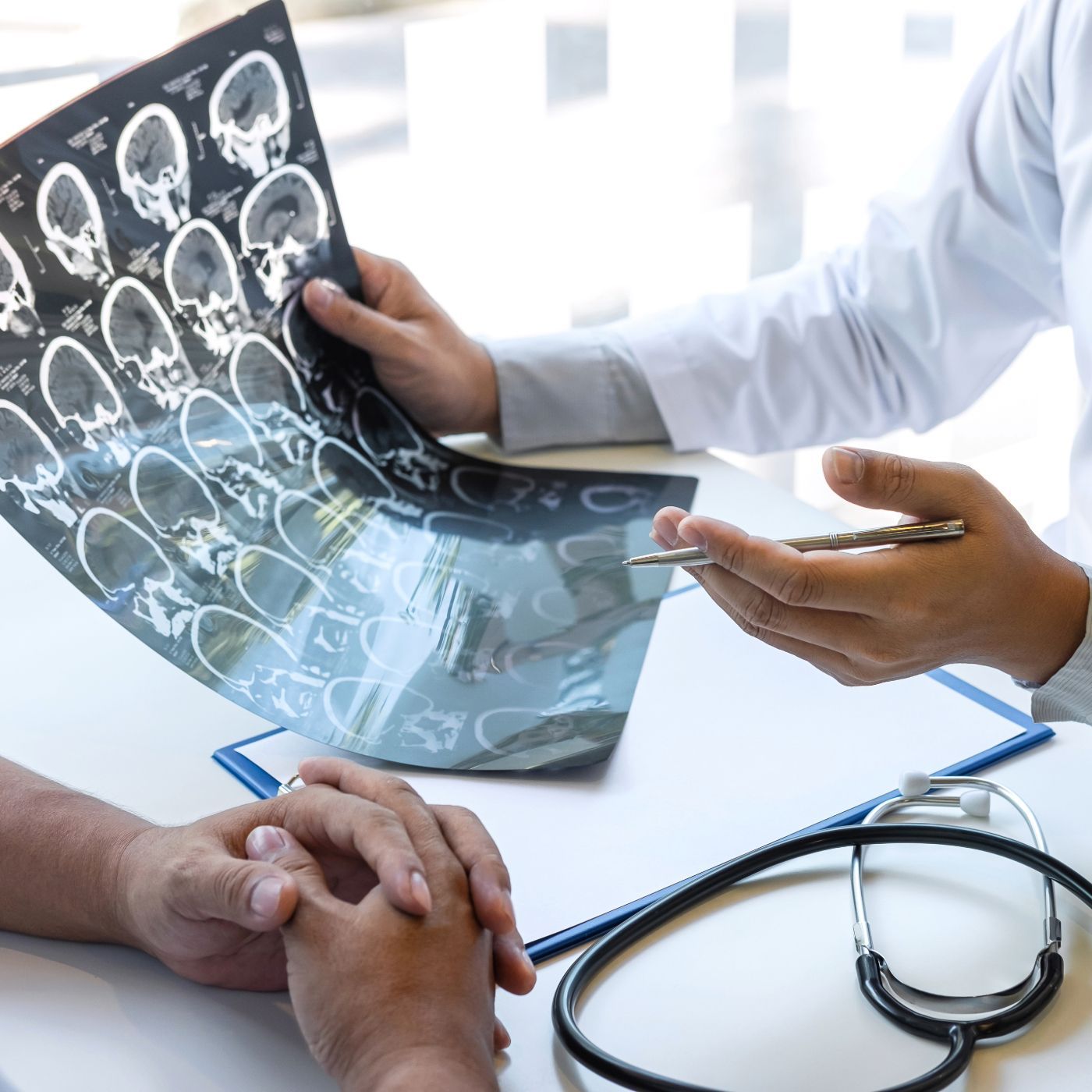
CT, MRI, and PET scans are commonly used.
A PET scan uses a small amount of radioactive tracer to highlight areas of abnormal cell activity, helping to identify cancerous tissue.
In some cases, a lumbar puncture or biopsy may also be performed.
What does tumour grading mean?
Brain tumours are graded from 1 to 4 based on how abnormal the tumour cells appear under a microscope. This helps predict how quickly the tumour might grow and guides treatment decisions.
Can all brain tumours be removed with surgery?
Not all, but many can. Our surgeons treat many tumours, including meningiomas, gliomas, schwannomas, and metastatic tumours.
Am I a candidate for surgery?
Surgery is considered based on your tumour type, symptoms, location, and overall health. Your neurosurgeon will assess and discuss the best approach with you.
Can surgery cause a tumour to spread?
No — this is a common misconception. Modern surgical techniques and improved imaging significantly reduce the risk of spreading.
Do I need a referral to see a neurosurgeon?
Yes. A GP referral is required to access your medical history and coordinate care.