Back ± Leg Pain
Back and/or leg pain can be caused by various conditions, from muscular strain and poor posture to more complex spinal issues. Whether you’re experiencing discomfort in the lower back, pain radiating down your leg, or a combination of both, it’s essential to understand the cause and seek appropriate treatment.

Causes & Risk Factors
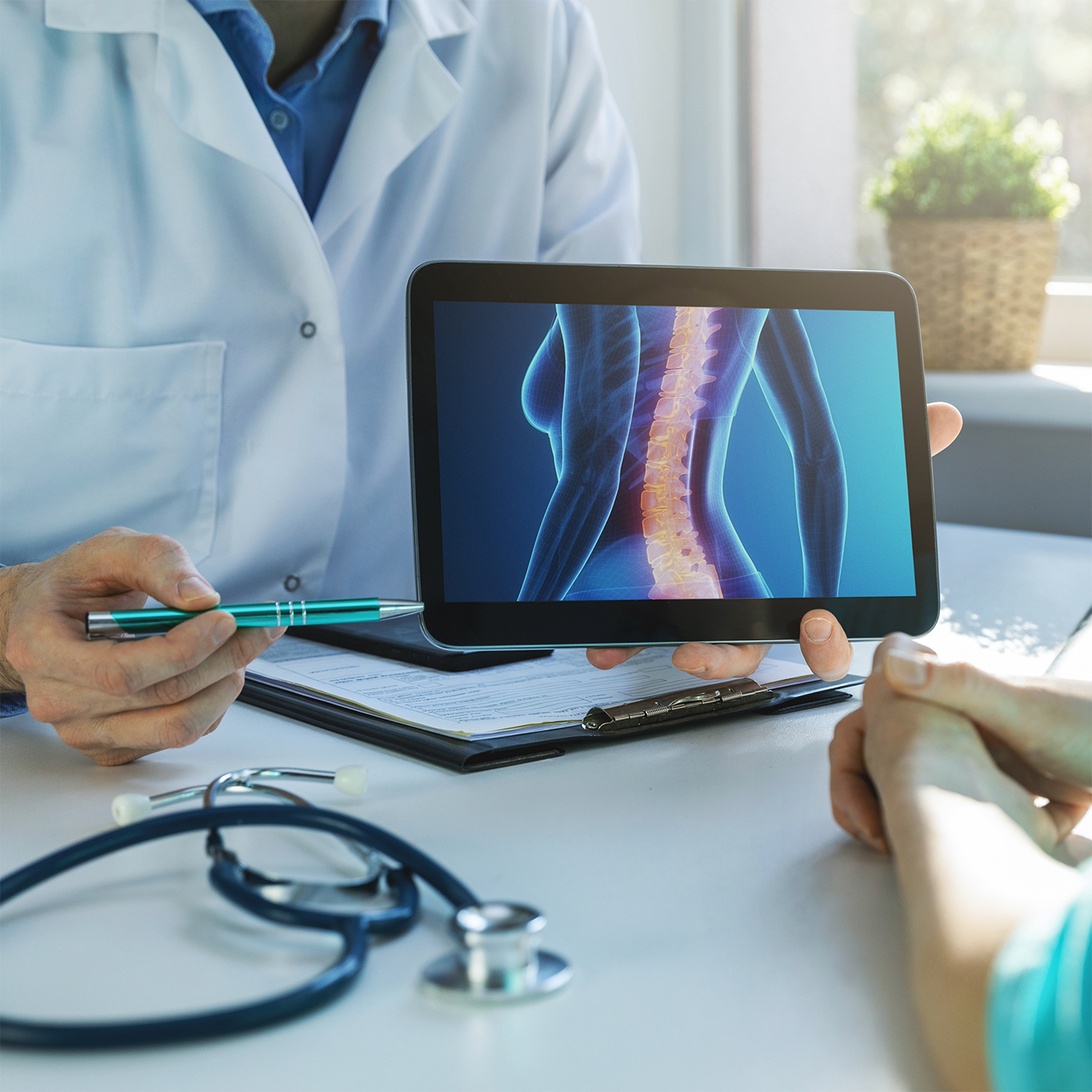
Back ± leg pain can result from spinal or nerve-related problems. Common causes include:
- Herniated or bulging discs
- Spinal stenosis (narrowing of the spinal canal)
- Nerve root compression (radiculopathy)
- Degenerative disc disease
- Spondylolisthesis
- Traumatic injury
- Poor posture and repetitive strain
Compression of nerve roots in the lower spine, such as the L5 or S1, often leads to lumbar radiculopathy, where back issues trigger leg symptoms.
Symptoms
Symptoms can vary widely depending on the origin and severity of the condition. These may include:
- Localised lower back pain
- Pain radiating down the leg (sciatica)
- Tingling, numbness, or burning sensations
- Muscle weakness in the leg or foot
- Difficulty standing, walking, or bending
- Pain worsened by certain positions or movements
Early diagnosis and targeted treatment can improve your outcome, whether you’re experiencing back pain, leg pain, or both.
Surgical Treatment Options
Our experienced neurosurgeon offers a range of advanced procedures tailored to the root cause of your pain. Treatment decisions are based on imaging, symptoms, and patient preferences, focusing on minimally invasive options when possible.
What to Expect at Your Consultation
Your neurosurgeon will review your medical history and recent imaging (MRI, CT, or X-ray) to determine the source of your pain. Depending on your condition, your treatment plan may include:
Non-surgical therapies and rehabilitation
- Pain-relieving injections
- Surgical intervention if necessary
Our team takes the time to explain your diagnosis and treatment options clearly, so you feel confident and informed every step of the way.
Frequently Asked Questions
Can back or leg pain be a sign of something serious?
In rare cases, yes. Spinal tumours, infections, or cauda equina syndrome can present similar symptoms. If you’re experiencing red flag signs, such as bowel or bladder issues, or sudden weakness, seek immediate care.
When should I see a doctor?
See a healthcare professional if your pain is severe, persistent, or interfering with daily life — especially if other neurological symptoms accompany it.
What treatments are available?
Depending on your diagnosis, treatment may include physical therapy, medications, injections, or surgery. Your neurosurgeon will guide you through a personalised care plan.
Do I need a referral to see a neurosurgeon?
Yes. A referral from your General Practitioner (GP) is required before you can schedule an appointment.