Brain Tumour Removal
At Illawarra Brain & Spine, we specialise in surgically removing brain tumours using advanced techniques and a patient-first approach. Our experienced neurosurgeon prioritises safety and precision while achieving the best possible outcomes.

What to Expect
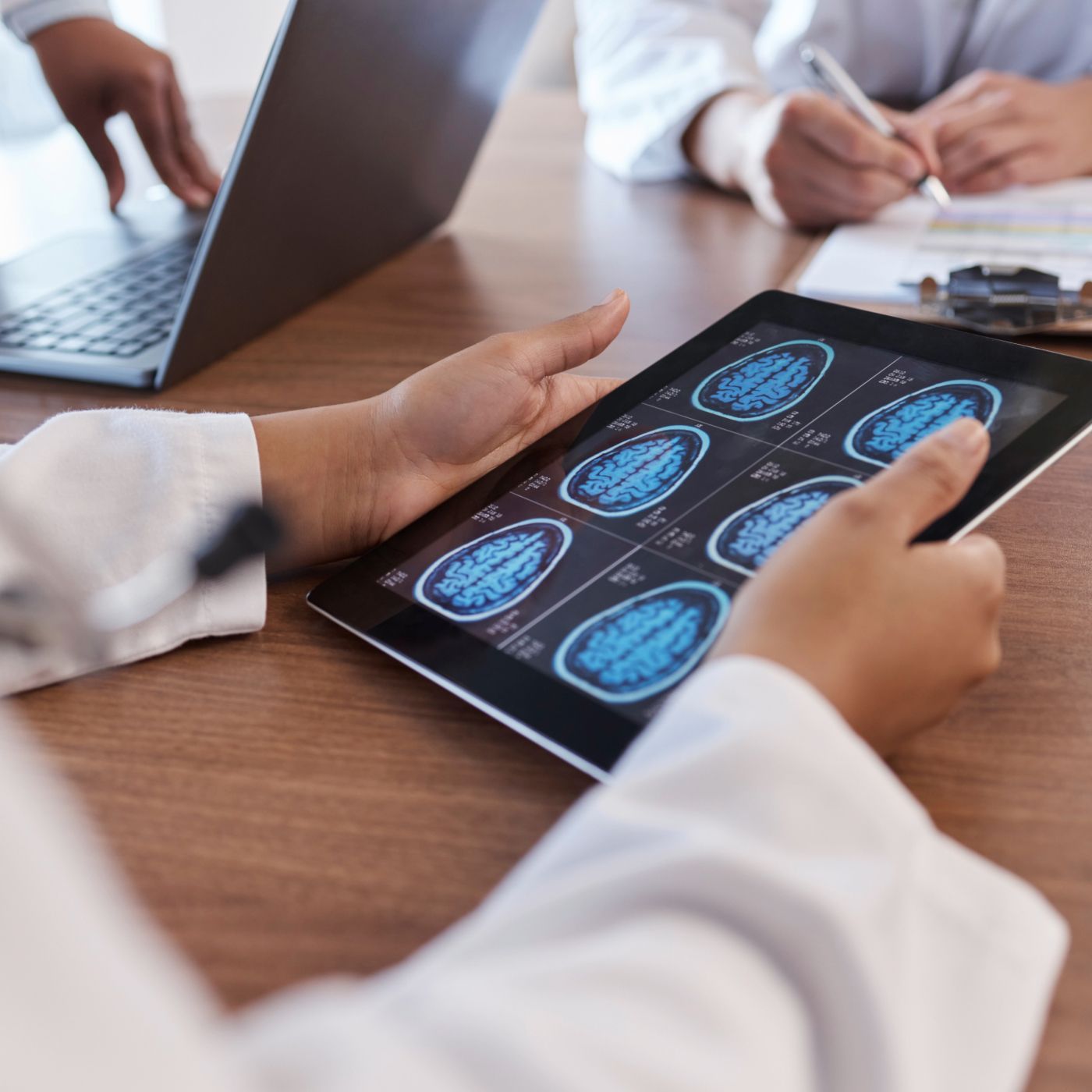
Before surgery, imaging studies such as MRI or CT scans are performed to determine the tumour’s size, location, and relationship to surrounding brain structures. This information allows us to plan a safe and effective surgical approach carefully.
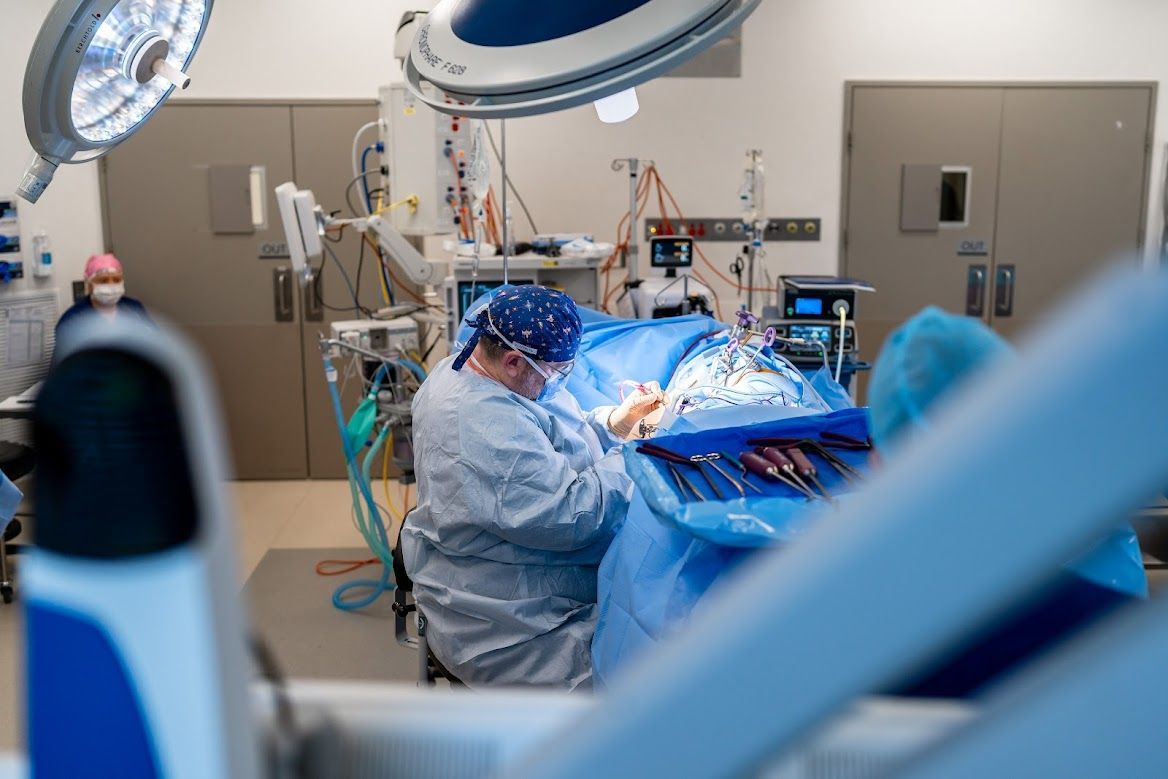
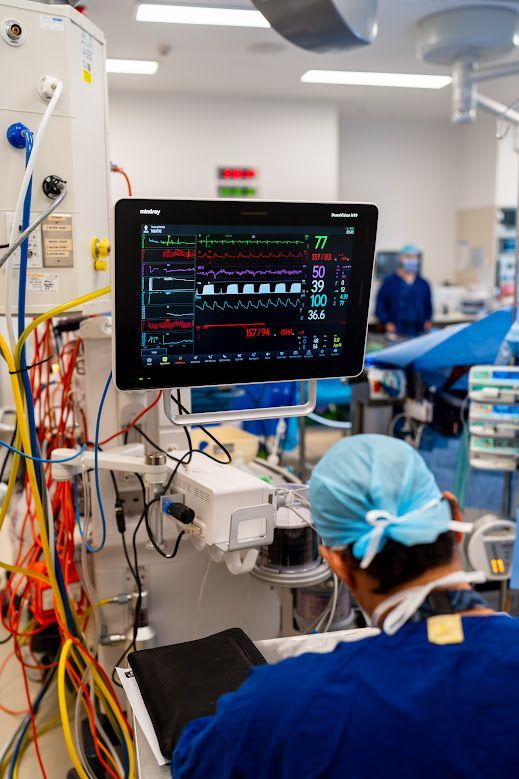
The procedure is performed under general anaesthesia. A section of the skull is temporarily removed — a procedure known as a craniotomy — to access the tumour. Intraoperative monitoring may be used to help protect critical brain functions during surgery by providing real-time feedback to the surgical team.
Where possible, the entire tumour is removed. Partial removal (debulking) is sometimes performed to reduce pressure and preserve function. Once surgery is complete, the skull is secured, and the patient is moved to recovery for post-operative monitoring.
The outcome depends on the type, size, and location of the tumour and your overall health. In some cases, additional treatments, such as radiation therapy or chemotherapy, may be recommended after surgery.
After Surgery: Recovery & Support
Post-operative care includes:
- Pain management and wound care
- Monitoring for complications
- Support with mobility and rehabilitation
- Guidance on when it is safe to resume activities (including driving)
You will have follow-up appointments with our neurosurgeon and your GP to monitor your progress and adjust your recovery plan if needed.
Who is This Procedure For?
Surgical removal may be recommended if your tumour:
- Is causing symptoms
- Is accessible without high risk to brain function
- Needs to be biopsied or reduced before other therapies
Your neurosurgeon will discuss whether brain tumour removal is appropriate for your specific diagnosis.
Frequently Asked Questions
What types of tumours can be removed surgically?
Commonly removed tumours include meningiomas, gliomas, schwannomas, and metastatic brain tumours.
Will I need other treatments after surgery?
Depending on the type and grade of the tumour, some patients may benefit from additional treatments such as radiation therapy or chemotherapy.
Can surgery cause a tumour to spread?
No — modern surgical techniques and equipment make this risk extremely low.
Is a referral needed?
Yes. A GP or specialist referral is required before booking a consultation.
Already Have a Referral?