Anterior Cervical Discectomy and Fusion (ACDF)
Anterior Cervical Discectomy and Fusion (ACDF) is a surgical procedure to relieve spinal cord or nerve root pressure in the cervical spine (neck). It is commonly performed for conditions like herniated discs or degenerative disc disease that have not responded to conservative treatments.
The surgery aims to relieve pain, restore function, and stabilise the spine by removing damaged disc material and promoting fusion between vertebrae.

What to Expect
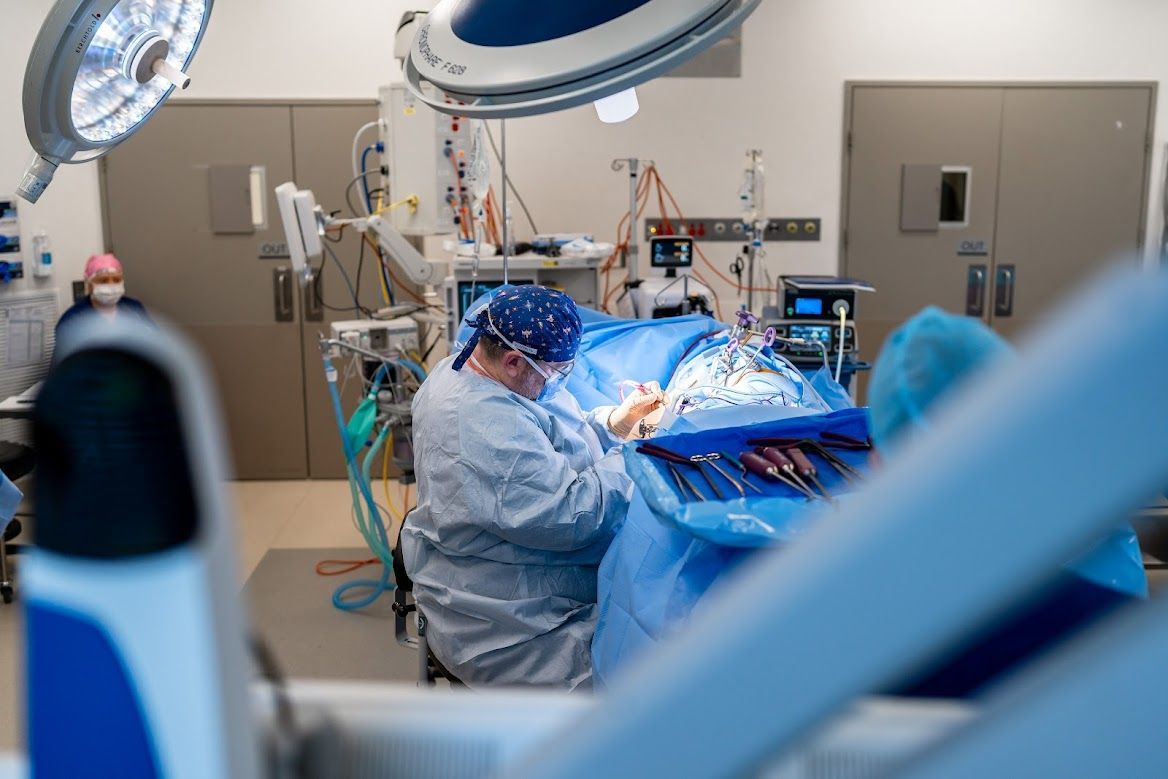
ACDF is performed through a small incision at the front of the neck. The surgeon carefully removes the damaged disc and any bone spurs or tissue pressing on the spinal cord or nerves. The space is then filled with a bone graft or synthetic implant, which helps restore disc height and encourages fusion between the adjacent vertebrae.
To stabilise the area, metal plates, screws, or cages may be used depending on the case.
ACDF is typically recommended for:
- Cervical disc
herniation
- Degenerative disc disease
- Cervical spondylosis
- Cervical radiculopathy (pinched nerve)
- Spinal instability in the neck
This procedure is designed to reduce symptoms like neck pain, arm pain, numbness, or weakness caused by spinal nerve compression.
What to Expect at Your Consultation
At your consultation, our neurosurgeon will:
- Review your symptoms and medical history
- Perform a physical and neurological examination
- Review imaging (MRI or CT scans) to confirm the level of disc damage
We’ll clearly explain your diagnosis, treatment options, and whether ACDF suits your case. You’ll be able to ask questions and fully understand the procedure, recovery process, and expected outcomes.
Post-operative Care for ACDF
Following surgery, we’ll support you through a personalised recovery plan that may include:
- Pain relief and anti-inflammatory medications
- Supportive neck bracing, if advised
- Gentle movement to prevent stiffness
- Wound care and monitoring for signs of infection
Your neurosurgeon will assess your recovery during your four-week post-operative review and advise when it’s safe to resume driving and daily activities.
Note: Staying active and within limits supports healing and helps prevent complications.
Follow-up with your General Practitioner is also recommended:
- 1 week post-op – for medication review and wound check
- 2 weeks post-op
– for ongoing care and progress monitoring
Frequently Asked Questions
How long does it take to recover from ACDF?
Recovery varies by individual, but most patients return to light activity within 2–6 weeks. Complete spinal fusion typically occurs over several months.
Will I need a neck brace after surgery?
Sometimes, a cervical collar may be recommended for a short period post-op. Your surgeon will advise based on your procedure and healing progress.
Is ACDF a permanent solution?
The goal is to stabilise the segment and eliminate the problematic motion permanently. Fusion is intended to be long-lasting, though it may place added stress on nearby discs over time.
Can I drive after surgery?
You’ll be advised to avoid driving until cleared at your four-week review. Before returning to the road, your safety and range of motion will be assessed.
Do I need physiotherapy after ACDF?
Often, yes — to restore neck mobility, strength, and function. We’ll tailor a plan based on your progress.
Do I need a referral to see a neurosurgeon?
Yes. A referral from your GP is required to book a consultation.
Already Have a Referral?