Bulging Disc
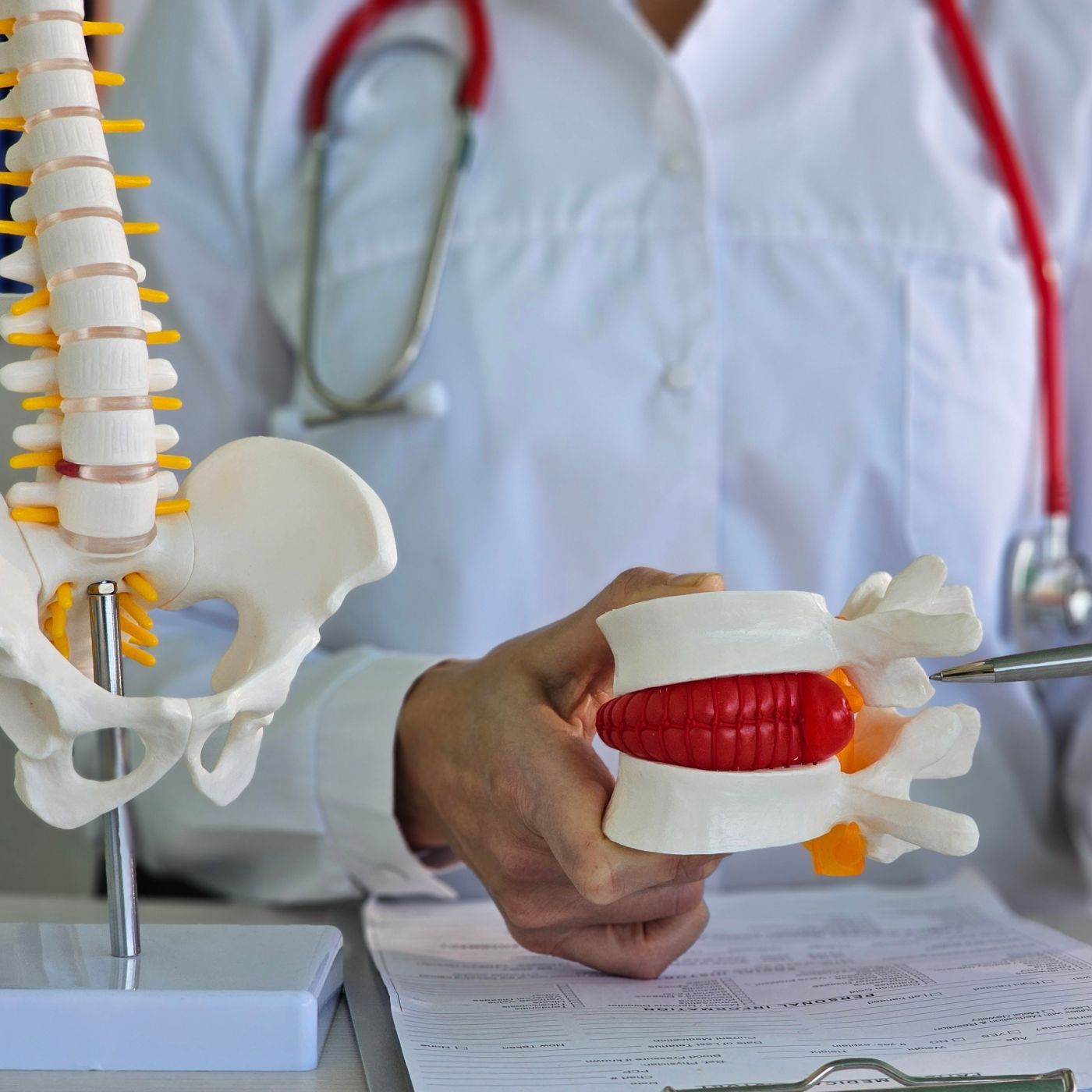
A bulging disc occurs when one of the soft, cushioning discs between the vertebrae in your spine protrudes beyond its normal boundary. This can pressure nearby nerves, resulting in pain, numbness, or weakness — often in the neck, back, arms, or legs. Bulging discs are standard and may develop gradually due to age-related degeneration, poor posture, or injury.

Symptoms & Complications
A bulging disc can cause spinal pain, nerve-related symptoms, or both, depending on its location in the spine:
In the cervical spine (neck):
- Pain in the neck or shoulder region
- Nerve pain radiating down the arm
- Tingling, numbness, or weakness in the hands or fingers
- Sensations around the shoulder blade
In the lumbar spine (lower back):
- Lower back pain that radiates into the buttocks or legs
- Pain radiating down the front of the thigh or shin (upper lumbar nerve compression, e.g., femoral nerve pain)
- Sciatica (pain down the back of the leg, calf, and sometimes the foot from lower lumbar nerves)
Most cases improve with conservative care, but persistent or severe nerve compression may require surgical intervention.
Surgical Treatment Option
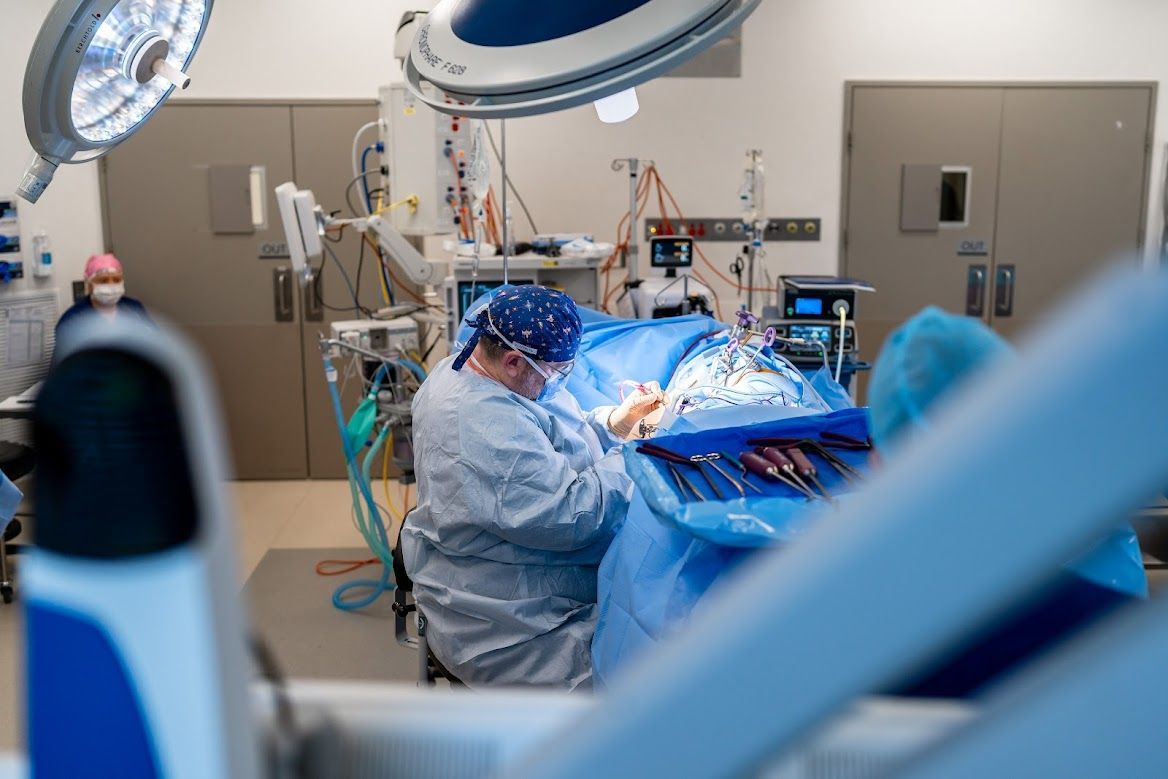
This surgical procedure removes a small portion of a bulging (herniated) disc pressing on a spinal nerve. It aims to relieve pressure and reduce symptoms such as pain, tingling, and limb weakness.
What to Expect at Your Consultation
Your consultation begins with a thorough assessment by one of our experienced neurosurgeon. We’ll review your symptoms, medical history, and imaging (MRI or CT scans) to confirm the diagnosis and identify the affected disc and nerve root.
Your treatment plan may include:
- Non-surgical options such as physiotherapy, medications, or spinal injections
- Surgery, if conservative treatments have failed
We’ll explain every option and help you make an informed decision. We aim to deliver tailored care that improves your quality of life and supports long-term recovery.
Frequently Asked Questions
Can a bulging disc heal on its own?
Many cases improve with rest, physiotherapy, and other non-surgical treatments. However, more severe or persistent symptoms may require additional intervention.
When should I see a doctor?
It is essential to seek medical advice if you are experiencing ongoing back or neck pain, leg or arm weakness, or numbness that affects your mobility or daily function.
What treatments are available?
Options include medications, muscle relaxants, corticosteroid injections, physical therapy, and in some cases, surgery to relieve nerve compression.
How long does recovery take?
Mild cases may resolve within a few weeks. More complex cases — especially those requiring surgery — may take several months for full recovery.
Can a bulging disc lead to other spine conditions?
If untreated, a bulging disc may progress to a herniated disc or contribute to spinal stenosis or nerve compression, which may require more extensive treatment.
Do I need a referral to see a neurosurgeon?
Yes. You must have your General Practitioner (GP) referral to book an appointment with our neurosurgical team.