Cerebral Aneurysms
A cerebral aneurysm, also known as a brain or intracranial aneurysm, is a weak spot in a blood vessel in the brain that causes the vessel wall to bulge. In some cases, this bulge can rupture and lead to bleeding around the brain — a serious condition requiring immediate medical attention.


Causes & Risk Factors
Aneurysms can develop due to a combination of genetic and lifestyle factors.
These may include:
- Family history of aneurysms
- Smoking
- High blood pressure
- Certain medical conditions (e.g., connective tissue disorders)
- Age and gender (more common in adults over 40 and women)
Most small aneurysms don’t cause symptoms and may never rupture. They are often discovered incidentally during imaging for other reasons. However, a ruptured aneurysm can be life-threatening.
Symptoms
A ruptured aneurysm may cause:
- Sudden, severe headache (“thunderclap headache”)
- Nausea or vomiting
- Blurred or double vision
- Neck pain or stiffness
- Sensitivity to light
- Loss of consciousness or confusion
Unruptured aneurysms may not cause symptoms unless they press on nearby nerves or tissues.
Surgical Treatment Options
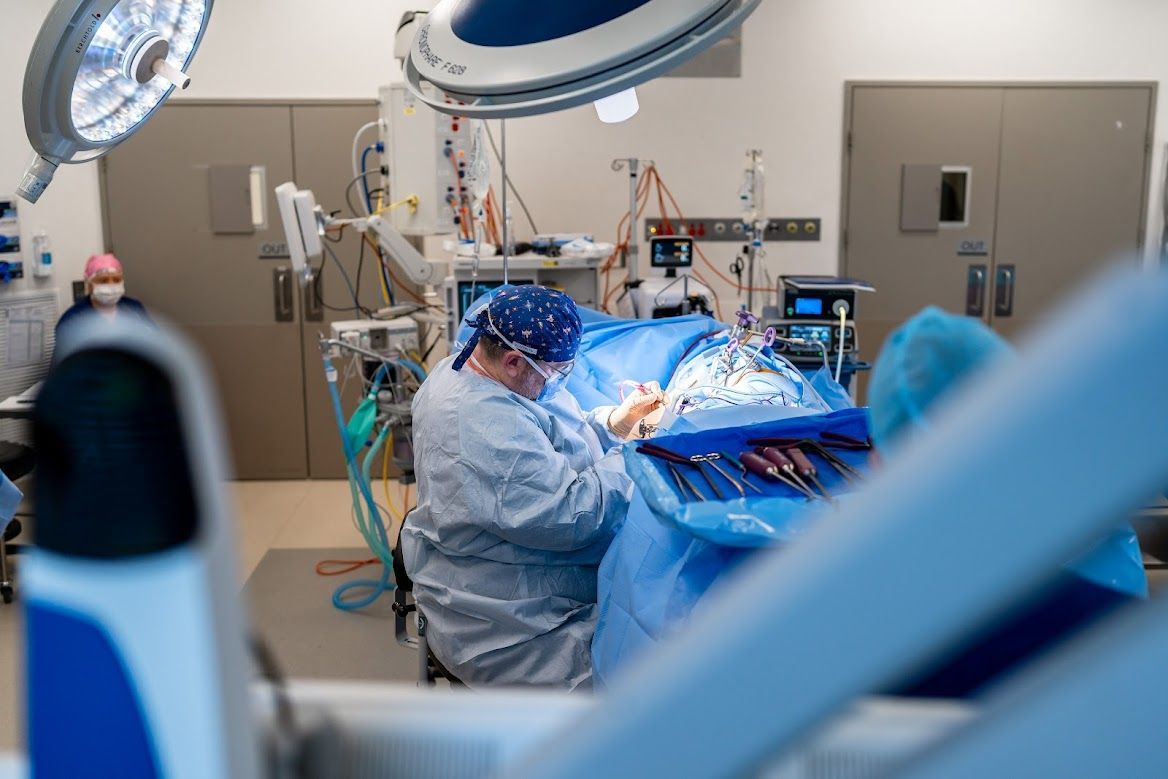
At Illawarra Brain & Spine, our neurosurgeon is experienced in performing precise and effective procedures to treat cerebral aneurysms.
What to Expect at Your Consultation
Your neurosurgeon will review your medical history and brain imaging (CT, MRI, or angiogram) to determine the most appropriate treatment. Additional tests may be performed to confirm the aneurysm’s size, location, and risk level.
We’ll take time to explain your options and guide you through the following steps with care and clarity.

Frequently Asked Questions
What are the risks of an untreated aneurysm?
An untreated aneurysm may rupture, leading to bleeding in the brain (subarachnoid haemorrhage), which can result in stroke, permanent disability, or death.
How is a brain aneurysm diagnosed?
Aneurysms are usually found with imaging tests such as CT scans, MRI, or CT/MR angiography. However, an angiogram or lumbar puncture may be used for a more detailed investigation.
What should I do if I think I have an aneurysm?
Seek medical attention immediately. Symptoms like a sudden severe headache or vision changes could indicate a rupture. Prompt diagnosis and treatment are essential.
Can all aneurysms be treated surgically?
Not all treatments depend on size, location, shape, and overall health. Some may be monitored over time, while others require surgery or endovascular treatment.
Do I need a referral to see a neurosurgeon?
Yes. Your GP must provide a referral before you can book an appointment.