Traumatic Brain Injury (TBI)
Traumatic Brain Injury (TBI) occurs when a sudden impact or blow to the head causes damage to the brain. It’s one of the most common causes of disability and death in adults and can range from a mild concussion to severe brain injury requiring urgent intervention.

Types & Complications
TBI can be:
- Focal – affecting one specific area of the brain
- Diffuse – affecting multiple areas across the brain
Mild TBIs (such as concussions) may resolve with time and care, while moderate to severe injuries can result in long-term complications or disability. These may include cognitive, behavioural, emotional, or physical changes requiring ongoing rehabilitation and specialist care.
Surgical Procedures for TBI
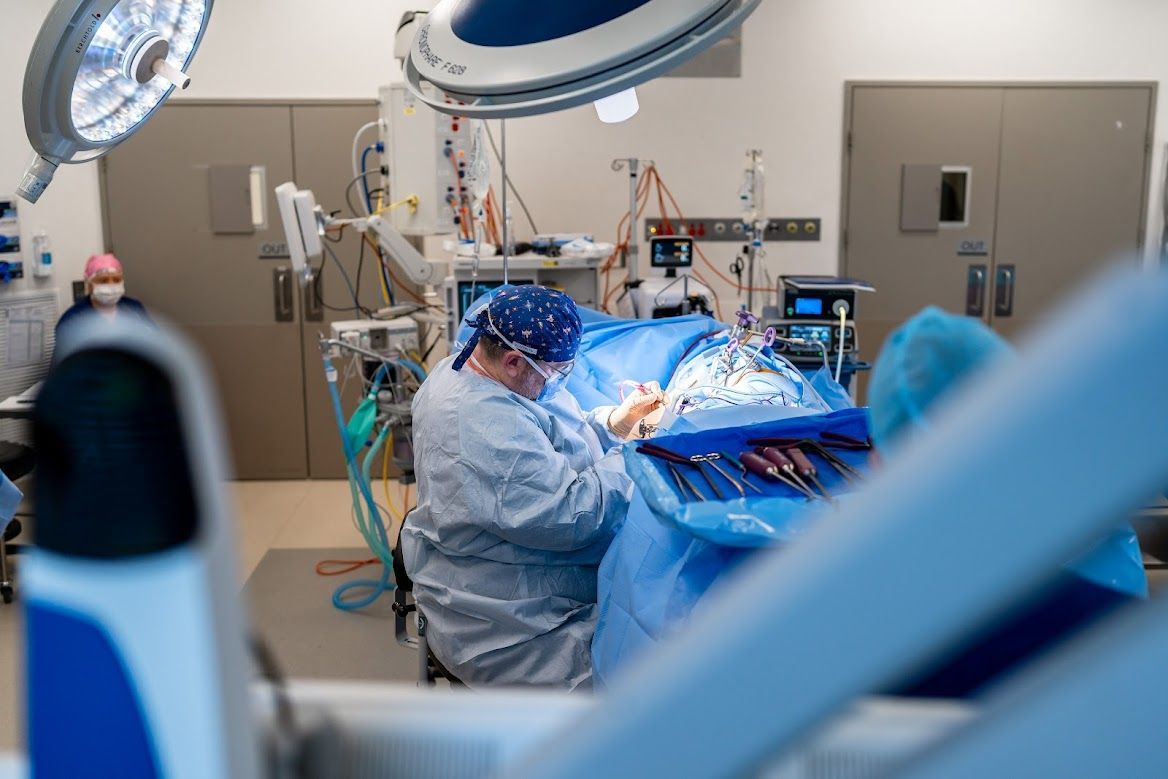
When TBI causes bleeding, swelling, or increased pressure in the brain, surgery may be required to relieve pressure, remove blood clots, or repair damage.
Our Approach
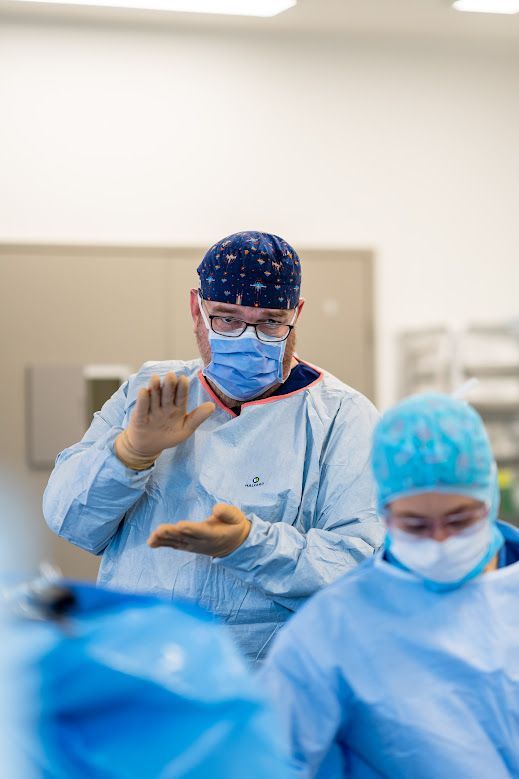
At Illawarra Brain & Spine, we understand the urgency and complexity of traumatic brain injuries. Our neurosurgeon assesses each case individually, using advanced imaging and diagnostics to develop a treatment plan focused on stabilisation, recovery, and long-term quality of life.
We’re committed to supporting patients and families throughout recovery, from immediate treatment to post-operative care and rehabilitation.
Frequently Asked Questions
What treatments are available for TBI?
Treatment depends on the severity of the injury. Options may include rest, medications, rehabilitation, or surgery to relieve pressure or bleeding.
What is the outlook after TBI?
The prognosis varies. Some patients recover fully, while others experience ongoing challenges. Early treatment and a strong recovery plan significantly improve outcomes.
What is the recovery process like?
Recovery can include physical, cognitive, and emotional rehabilitation. Our team works closely with each patient to guide this process and monitor progress.
How is TBI diagnosed?
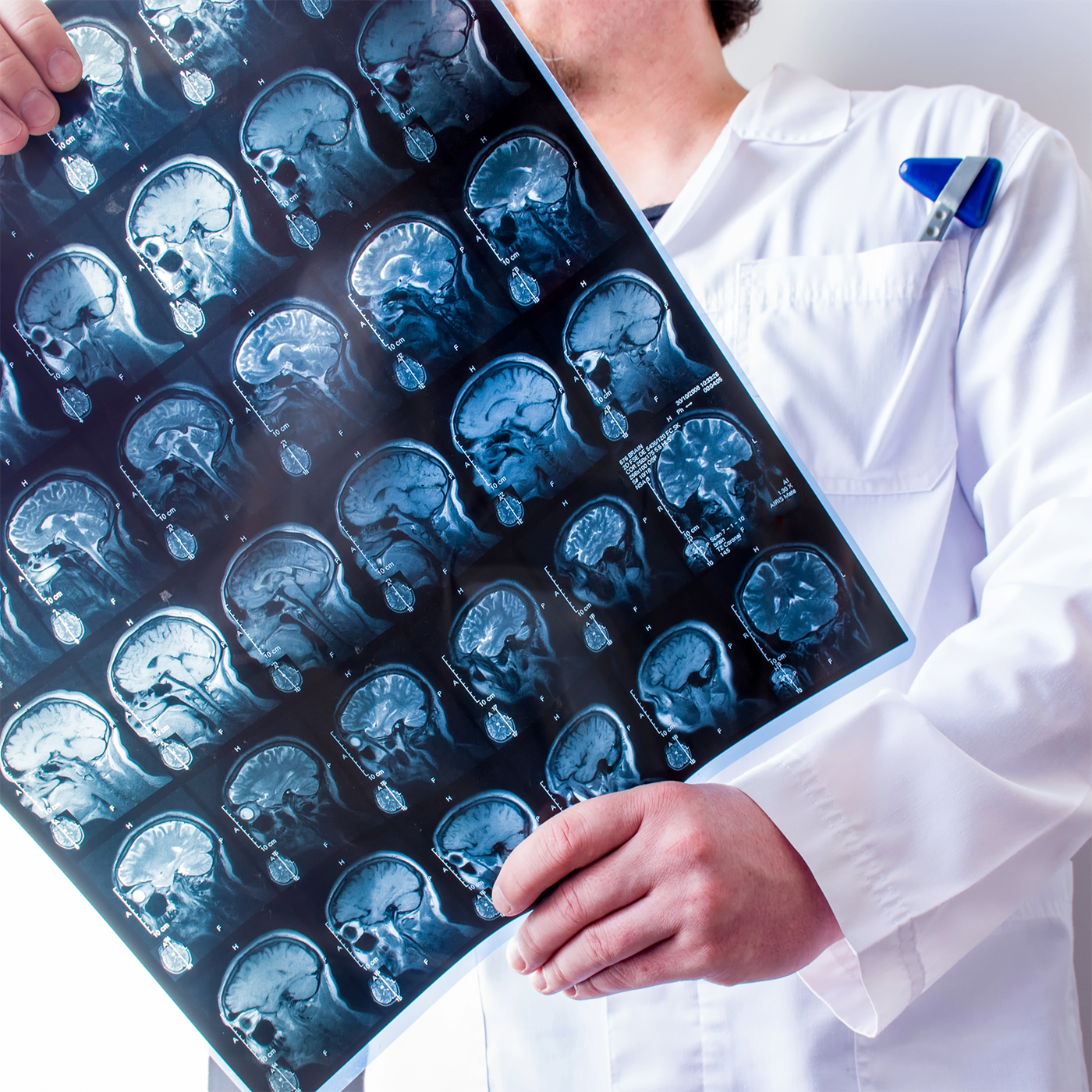
Diagnosis involves a combination of neurological exams, CT or MRI imaging, and cognitive assessments to evaluate the extent of brain function disruption.
Do I need a referral to see a neurosurgeon?
Yes. A GP or specialist referral is required to book a consultation and ensure coordinated care.