Crush Fracture
A crush fracture occurs when a bone — typically one of the vertebrae in the spine — collapses due to excessive pressure or weakened bone structure. This type of fracture most commonly affects older adults and individuals with osteoporosis, but it can also result from trauma or injury.


Symptoms & Complications
Crush fractures usually cause sudden and severe back pain, particularly when standing or walking. The pain often eases with rest or lying down. Other symptoms may include:
Reduced height over time
- Hunched posture (kyphosis)
- Stiffness or limited spinal mobility
- Weakness, numbness, or tingling if nerves are affected
- Discomfort in the hips or rib cage
- Gastrointestinal issues or difficulty breathing if multiple fractures are present
In severe cases, spinal deformity and nerve compression may occur, leading to long-term pain or disability.
Surgical Treatment Option
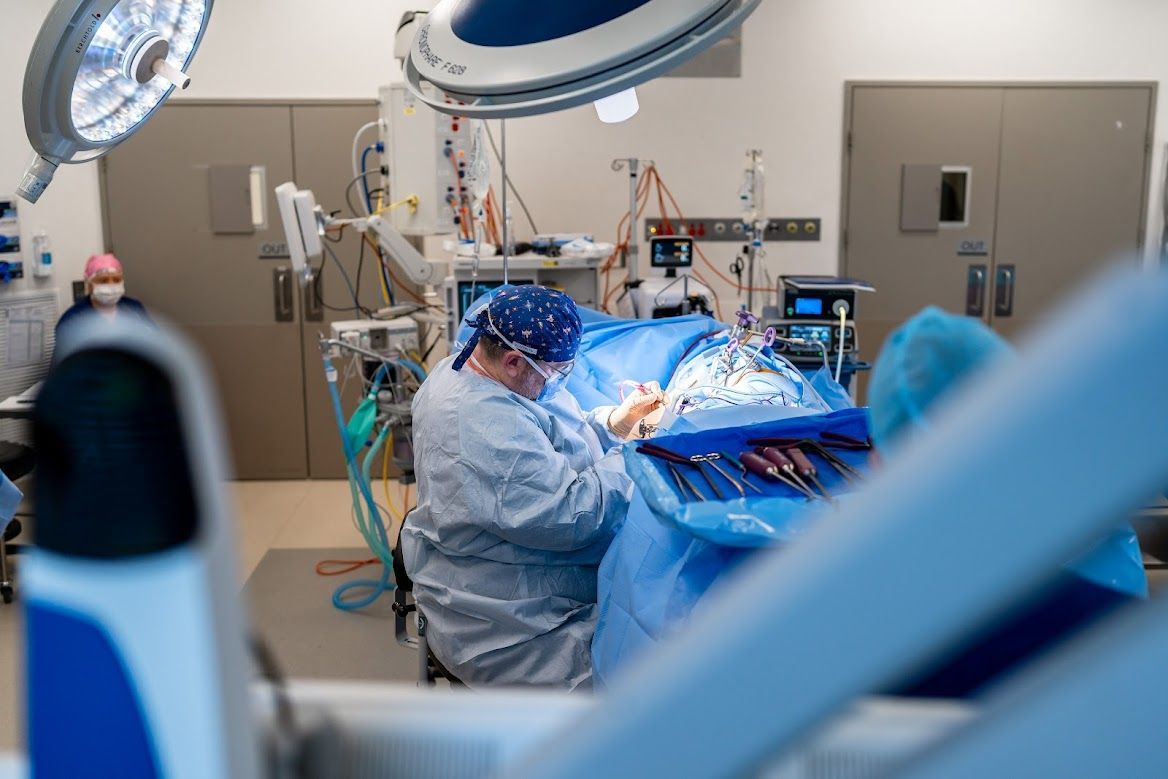
This procedure involves joining two or more vertebrae in the lower back to stabilise the spine, reduce pain, and restore mobility. It may be recommended in cases where the fracture leads to spinal instability or nerve compression.
What to Expect at Your Consultation
During your consultation at Illawarra Brain & Spine, your neurosurgeon will:
- Review your medical history and current symptoms
- Conduct a thorough physical examination
- Assess imaging such as X-rays, CT, or MRI to determine the extent of the fracture
Based on your diagnosis, we’ll create a tailored treatment plan that may include:
- Non-surgical options (e.g. bracing, pain management, physiotherapy)
- Surgical intervention, if necessary
You’ll be guided through every step with clear explanations and compassionate care so that you can feel confident in your treatment pathway.

Frequently Asked Questions
How is a crush fracture diagnosed?
Diagnosis is typically confirmed through physical examination, medical history review, and imaging studies such as X-rays, CT scans, or MRIs.
What complications can arise from a crush fracture?
Potential complications include chronic pain, reduced mobility, spinal deformity, nerve damage, or — in rare cases — paralysis if the spinal cord is compromised.
How long does it take to recover?
Recovery time depends on the severity of the fracture and the patient's overall health. It may take several weeks to a few months, especially if surgery or spinal bracing is involved.
Are crush fractures preventable?
While not all injuries can be avoided, maintaining strong bones through weight-bearing exercise, good nutrition (including calcium and vitamin D), and avoiding smoking can help reduce the risk of injury.
Do I need a referral to see a neurosurgeon?
Yes. A referral from your General Practitioner (GP) is required to schedule an appointment with our team.