Microdiscectomy
Microdiscectomy is a minimally invasive spinal surgery designed to relieve pressure on spinal nerves caused by a herniated or ruptured disc, most commonly in the lower back. It is typically recommended when non-surgical treatments—such as physiotherapy, medications, or injections—have not relieved symptoms.

What to Expect
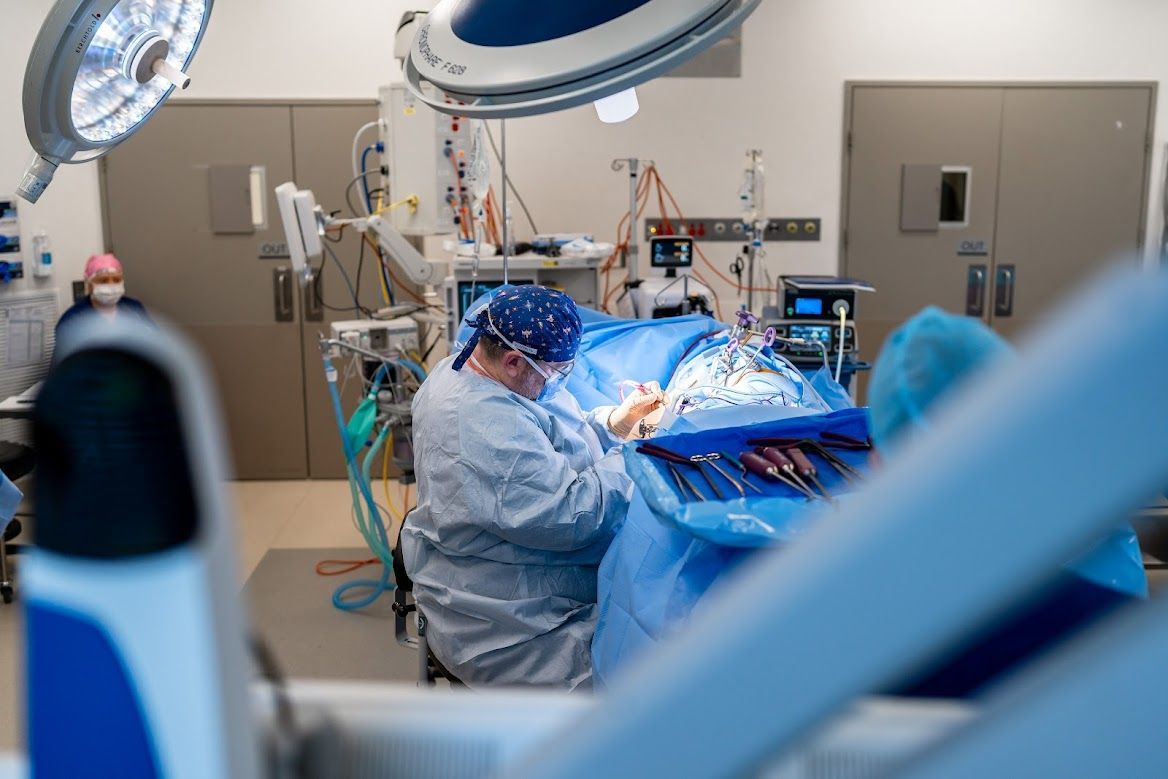
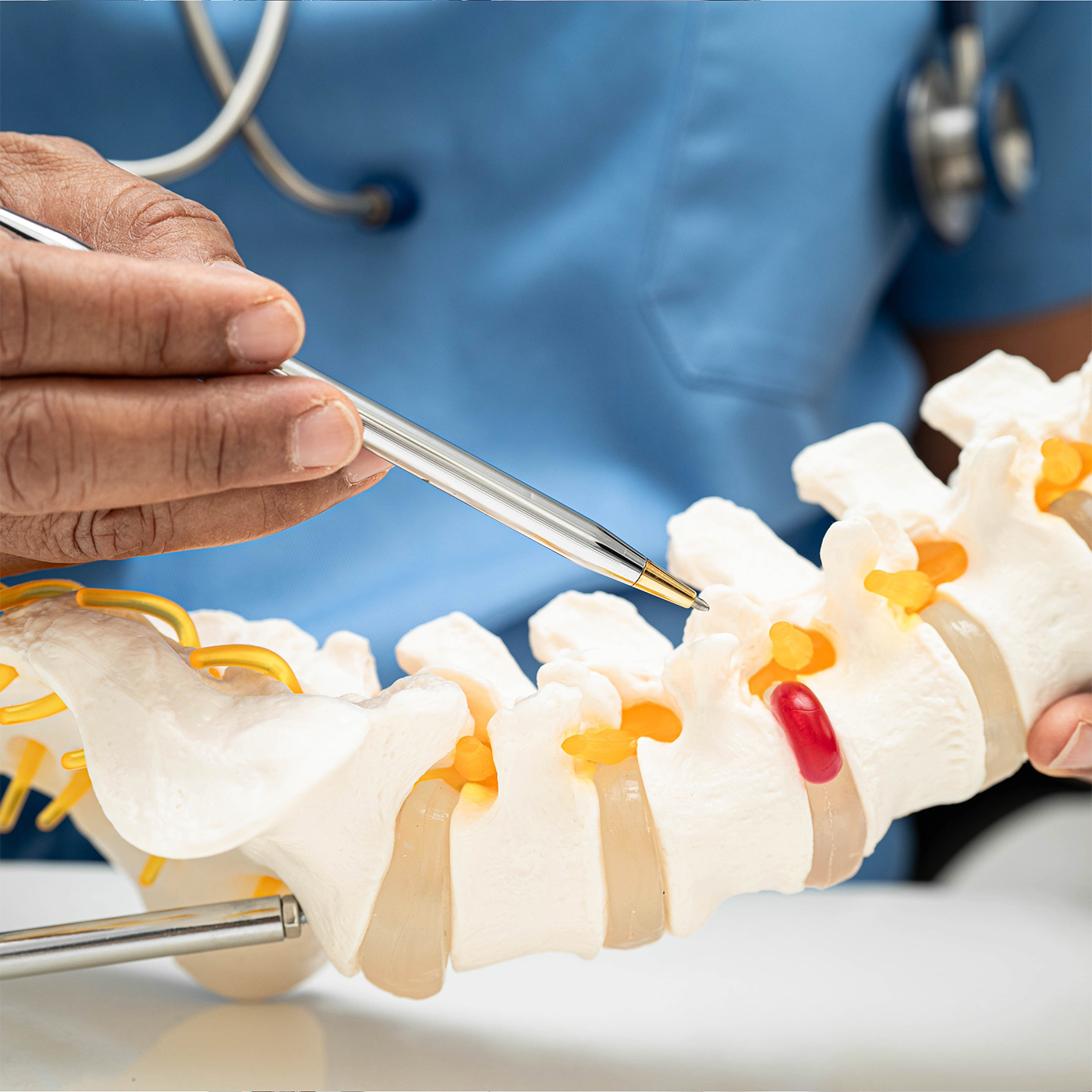
Microdiscectomy involves making a small incision in the back to access the affected disc using a surgical microscope or endoscope. The surgeon removes the portion of the herniated disc that compresses the nerve root, relieving pain, numbness, or weakness in the back, legs, or feet.
Compared to traditional open spine surgery, microdiscectomy offers several benefits:
- Smaller incisions and less tissue disruption
- Reduced post-operative pain
- Faster recovery times
- Shorter hospital stays in most cases
This procedure commonly treats sciatica or lumbar radiculopathy when conservative care is no longer effective.
What to Expect at Your Consultation
During your consultation at Illawarra Brain & Spine, your neurosurgeon will:
- Review your symptoms and medical history
- Perform a neurological examination
- Assess imaging (MRI or CT scans) to determine the disc location and severity
We’ll provide a precise diagnosis, explain whether microdiscectomy is appropriate for your condition, and outline your treatment plan and expected outcomes.
Post-operative Care for Microdiscectomy
Your recovery plan will be tailored to your condition and lifestyle following surgery. Standard care includes:
- Pain management and anti-inflammatory medication
- Monitoring for signs of infection or complications
- Early, gentle mobilisation to reduce stiffness and support healing
At your four-week post-operative appointment, your surgeon will assess your recovery and advise when it’s safe to return to work, driving, and normal activity levels.
Tip: Light walking is encouraged early on, while bending, twisting, or heavy lifting should be avoided during the initial recovery phase.
Follow-Up with Your GP
It’s also important to attend follow-up appointments with your GP:
- 1 week after surgery – for wound care and medication review
- 2 weeks after surgery
– to monitor your ongoing progress and support
Frequently Asked Questions
How long does it take to recover from microdiscectomy?
Most patients return to light activity within 2–4 weeks. Complete recovery may take up to 12 weeks, depending on the activity level and healing.
Will the disc re-herniate?
Re-herniation is possible, but not every day. Following post-op instructions carefully and avoiding heavy lifting early in recovery can reduce the risk.
Will I need physiotherapy after surgery?
In most cases, yes. Physiotherapy helps improve spinal stability, flexibility, and core strength after healing.
Is microdiscectomy performed under general anaesthesia?
The procedure is typically done under general anaesthesia in a hospital setting.
Do I need a referral to see a neurosurgeon?
Yes. A referral from a GP or specialist is required to schedule a consultation.
Already Have a Referral?