Lumbar Canal Stenosis
Lumbar canal stenosis occurs when the spinal canal in the lower back narrows, placing pressure on the spinal cord or nerve roots. This can lead to lower back pain, leg weakness, numbness, or tingling, especially when walking or standing. While some people may not experience symptoms, others may find that it significantly affects their mobility and quality of life.

Symptoms & Complications
Stenosis can affect various compartments of the spine, including:
- Central canal – where the spinal cord or cauda equina travels
- Lateral recess and foramina – where spinal nerves exit toward the limbs
Depending on the location of compression, patients may experience:
- Pain that worsens when walking or standing, relieved by sitting or leaning forward (neurogenic claudication)
- Numbness, tingling, or weakness in the legs or buttocks
- Difficulty with balance or prolonged standing
- In severe cases, loss of bowel or bladder control (a medical emergency)
Not all cases cause pain, but for those who do, timely evaluation is essential to avoid progression and long-term nerve damage.
Surgical Treatment Options
When conservative therapies don’t provide sufficient relief, our neurosurgeon may recommend one or more surgical procedures.
What to Expect at Your Consultation
At your initial appointment, your neurosurgeon will:
- Review your medical history and symptoms
- Conduct a physical and neurological examination
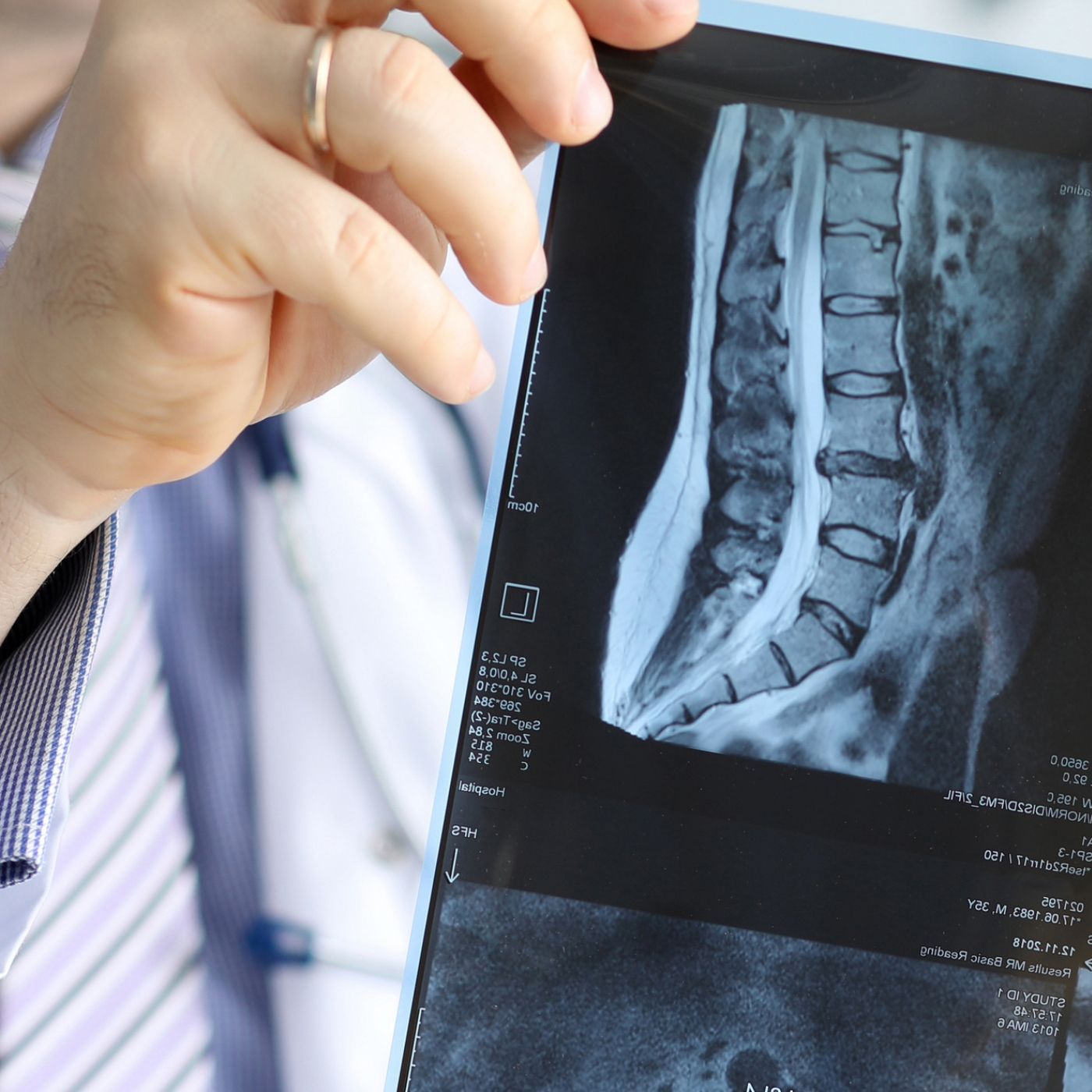
- Evaluate imaging such as MRI, CT, or X-rays to identify spinal narrowing and nerve compression
We’ll discuss your diagnosis in plain language and develop a tailored treatment plan. This may include:
- Physiotherapy or pain management strategies
- Epidural injections or medications
- Surgical options if conservative treatments fail
You’ll be supported with honest advice, clinical expertise, and personalised care throughout your journey to recovery.
Frequently Asked Questions
What are the limitations of lumbar stenosis?
Lumbar stenosis can limit mobility, walking distance, and the ability to stand for long periods. These limitations can affect everyday activities and may require treatment to restore function.
Which symptom is most common?
The hallmark symptom is neurogenic claudication, pain, tingling, or weakness in the legs that worsens when walking and improves when sitting or leaning forward.
Can spinal stenosis be prevented or slowed?
While some degeneration is age-related, lifestyle changes such as maintaining a healthy weight, exercising regularly, maintaining good posture, and avoiding strain on the spine can slow its progression.
How long can someone live with spinal stenosis?
With proper management, many people live whole lives. Lifespan isn’t typically shortened, but untreated or severe stenosis may impact comfort and mobility. Ongoing care is essential for maintaining quality of life.
Do I need a referral to see a neurosurgeon?
Yes. A referral from your General Practitioner (GP) is required before booking your consultation.