Burr Hole Surgery
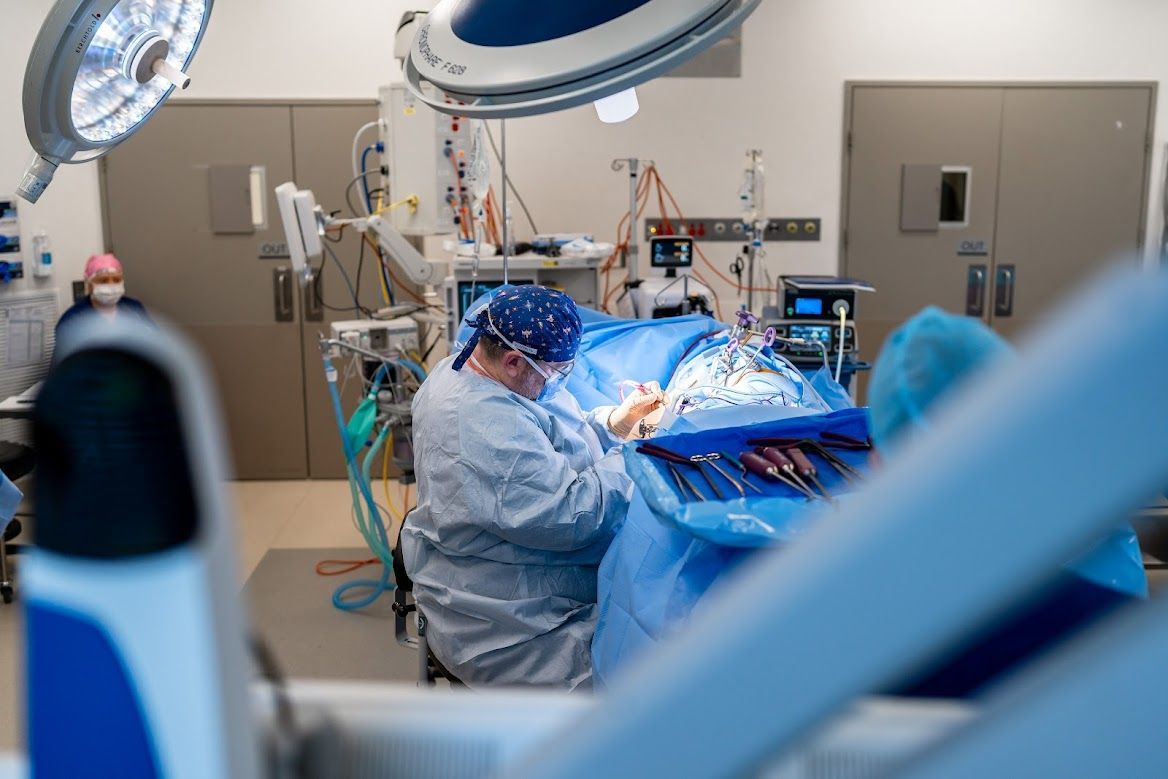
A burr hole is a small opening made in the skull to relieve pressure or drain fluid and blood from around the brain. This minimally invasive procedure is commonly used to treat chronic subdural haematomas, monitor intracranial pressure, or access the brain for specific diagnostic or therapeutic procedures.


What to Expect
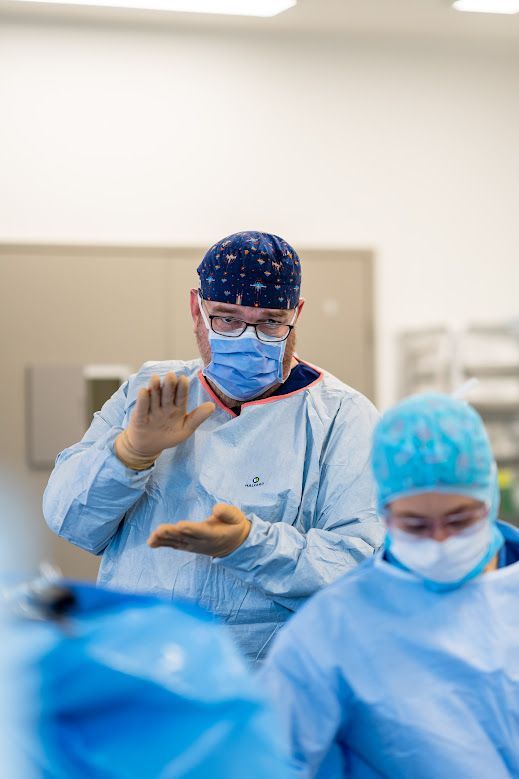
Before surgery, you’ll meet with your neurosurgeon to discuss your symptoms, review imaging results, and discuss the procedure’s details. We’ll ensure you understand your options and feel confident about the treatment plan.
Burr hole surgery is typically performed under local or general anaesthesia. One or more small holes are made in the skull using a surgical drill. These openings allow the neurosurgeon to:
- Drain a subdural haematoma (a collection of blood on the brain’s surface)
- Monitor intracranial pressure
- Relieve swelling or pressure on the brain
Once the underlying issue has been addressed, the incision is closed and the area is monitored closely.
Recovery & Aftercare
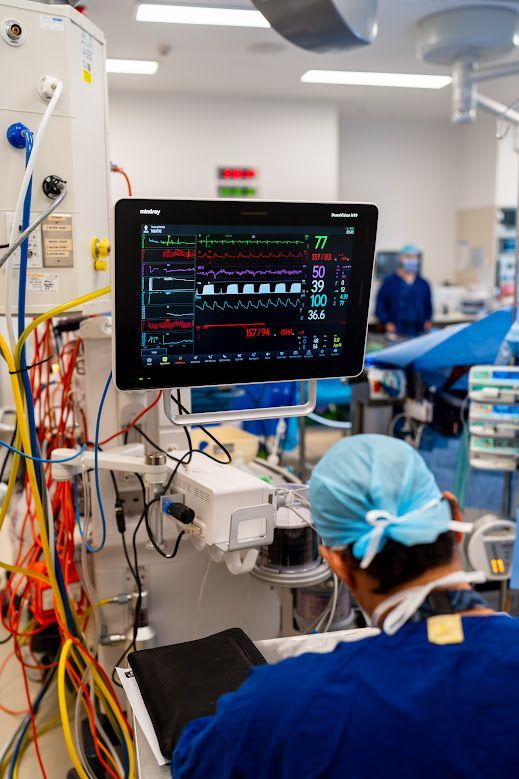
Following surgery, you’ll be cared for in a monitored setting to ensure stable recovery. Your post-operative care includes:
- Pain management
- Monitoring for signs of infection or bleeding
- Wound care and dressing management
- Advice on gradually resuming normal activities, including driving
You’ll have follow-up appointments with your neurosurgeon and GP to review your progress. Most patients recover within a few weeks, though timelines vary depending on the reason for surgery and individual health.
Frequently Asked Questions
Why might I need a burr hole?
Burr holes are often used to treat chronic subdural haematomas — usually caused by a head injury — and may also be used to monitor pressure inside the skull or provide access for specific treatments.
Is this considered major surgery?
Burr hole surgery is less invasive than open brain surgery and often has a shorter recovery time. However, it is still performed in a sterile surgical environment with the same high standards of care.
Will I need to stay in the hospital?
Most patients stay briefly after surgery to ensure proper recovery and monitoring before discharge.
Do I need a referral to see a neurosurgeon?
Yes. A referral from your GP is required to schedule your consultation.
Do I need a referral to see a neurosurgeon?
Yes. A GP referral is required to access your medical history and coordinate care.
Already Have a Referral?