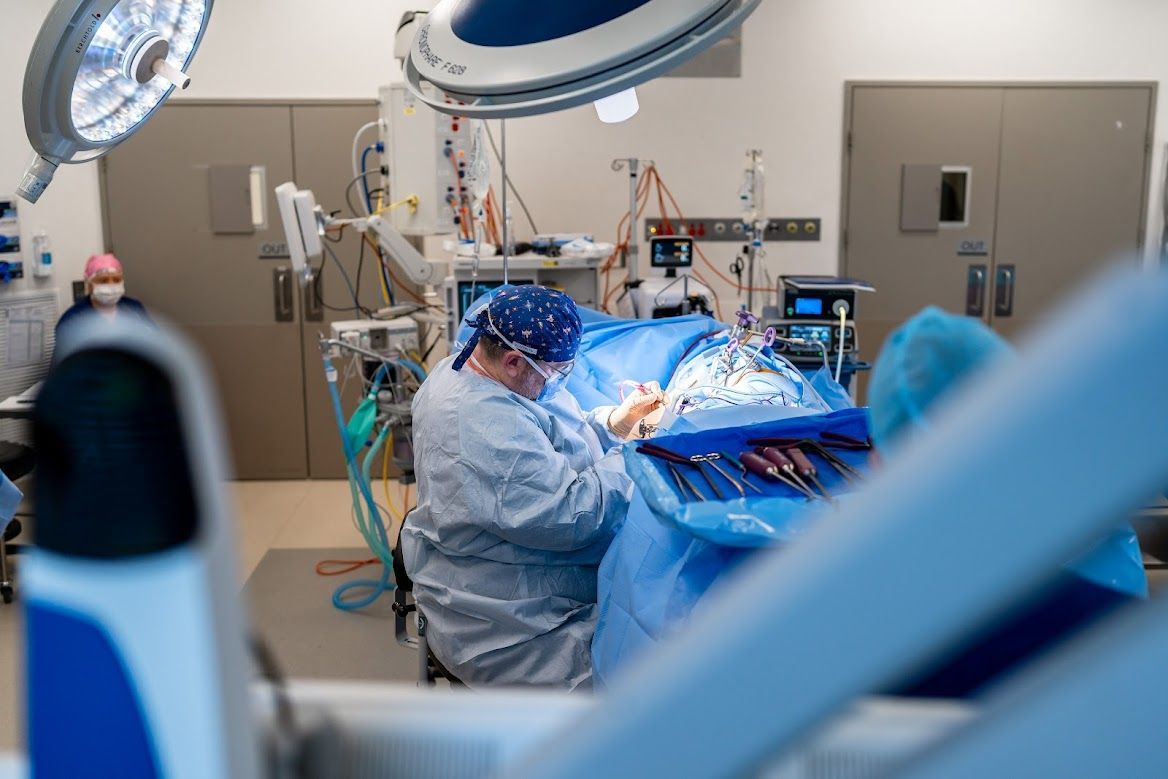
Carpal Tunnel Release
Carpal tunnel release is a surgical procedure used to relieve pressure on the median nerve in the wrist. It is commonly performed to treat carpal tunnel syndrome, which causes pain, tingling, numbness, and weakness in the hand and fingers. The procedure aims to reduce nerve compression and restore normal hand function.


What to Expect
During carpal tunnel release, a small incision is made in the wrist or palm. The surgeon then carefully cuts the transverse carpal ligament, the structure forming the roof of the carpal tunnel. This increases space within the tunnel and reduces pressure on the median nerve, relieving symptoms.
There are two main techniques:
- Open carpal tunnel release – a traditional approach involving a slightly larger incision in the palm
- Endoscopic carpal tunnel release – a minimally invasive technique using a small camera and specialised tools to perform the procedure through smaller incisions
Your surgeon will determine the most appropriate method based on your condition and preferences.
Recovery & Aftercare
Recovery is usually straightforward. Many patients experience symptom relief soon after surgery. Within a few days, most individuals return to light activities and resume regular use of the hand over a few weeks.
Following surgery, your care will include:
- Pain management and wound care
- Monitoring for signs of infection or swelling
- Gradual reintroduction of hand movements and light tasks
- Physiotherapy, if recommended, to restore strength and function
Tip: You may be advised to avoid heavy lifting or gripping for a few weeks while healing occurs.
During your post-operative review, your neurosurgeon will assess your progress and advise when it’s safe to return to work, driving, or other activities.
Follow-Up
It’s important to attend follow-up appointments with your:
- General Practitioner – typically one to two weeks after surgery for medication review and dressing checks
- Surgeon – to assess healing, function, and long-term outcome
Your care team will provide written discharge instructions and be available for any questions throughout your recovery.
Already Have a Referral?