Subarachnoid Haemorrhage (SAH)
A subarachnoid haemorrhage (SAH) is a type of stroke that occurs when bleeding happens in the space between the brain and the thin tissues that cover it — known as the subarachnoid space. This condition is often sudden and life-threatening, requiring urgent medical attention.

Causes & Risk Factors
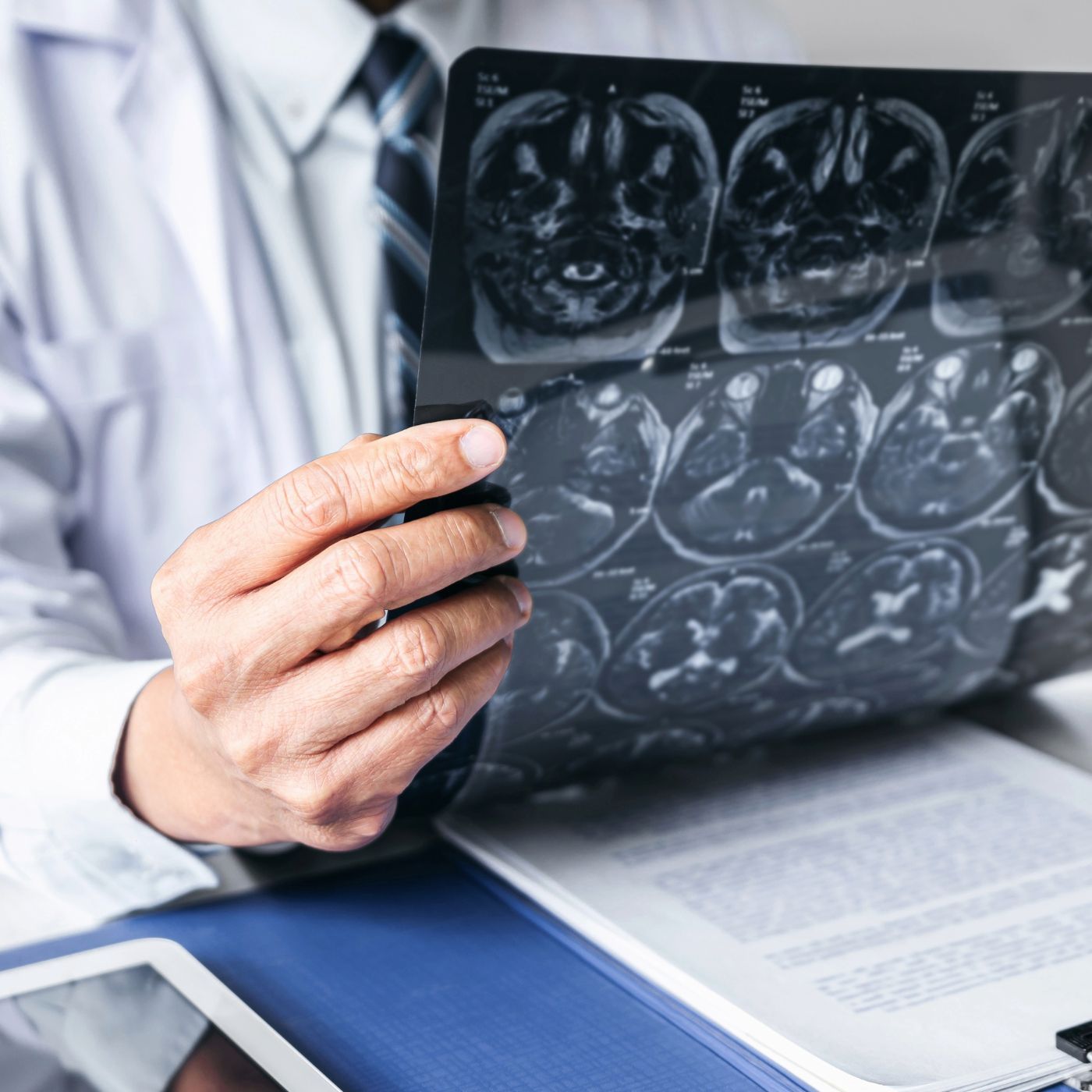
SAH most commonly occurs when a brain aneurysm ruptures, but it can also be caused by:
- Head trauma
- Arteriovenous malformation (AVM)
- Bleeding disorders
- Use of blood-thinning medications
Risk factors include high blood pressure, smoking, a family history of aneurysms, and older age. SAH is more common in women and can occur at a younger age than other types of stroke.
Symptoms
The hallmark symptom of SAH is a sudden, severe headache — often described as the worst headache a person has ever experienced (“thunderclap headache”).
Other possible symptoms include:
- Nausea and vomiting
- Stiff neck
- Confusion or irritability
- Blurred or double vision
- Light sensitivity (photophobia)
- Loss of consciousness
- Seizures
- Weakness or numbness
- Shoulder or neck pain
Surgical Procedures for SAH
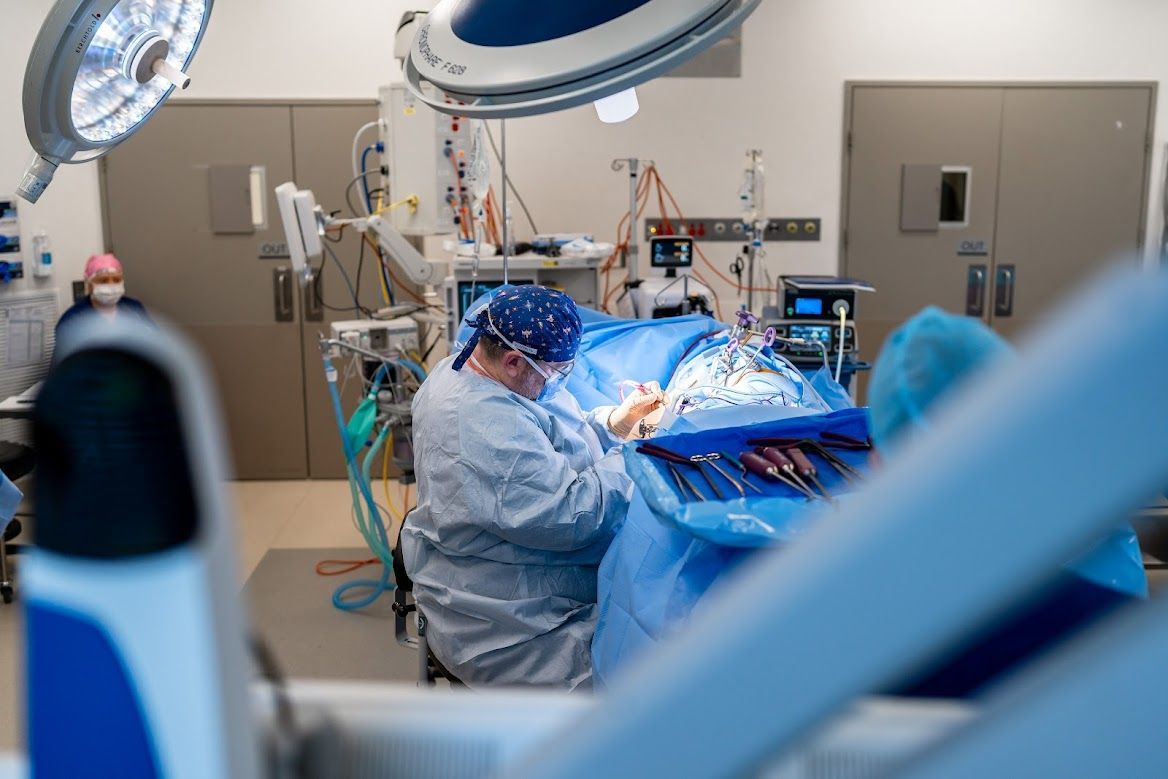
Treatment focuses on stopping the bleeding, relieving pressure on the brain, and preventing complications such as rebleeding or vasospasm. Our neurosurgeon uses advanced techniques tailored to the underlying cause of the haemorrhage.
Our Approach
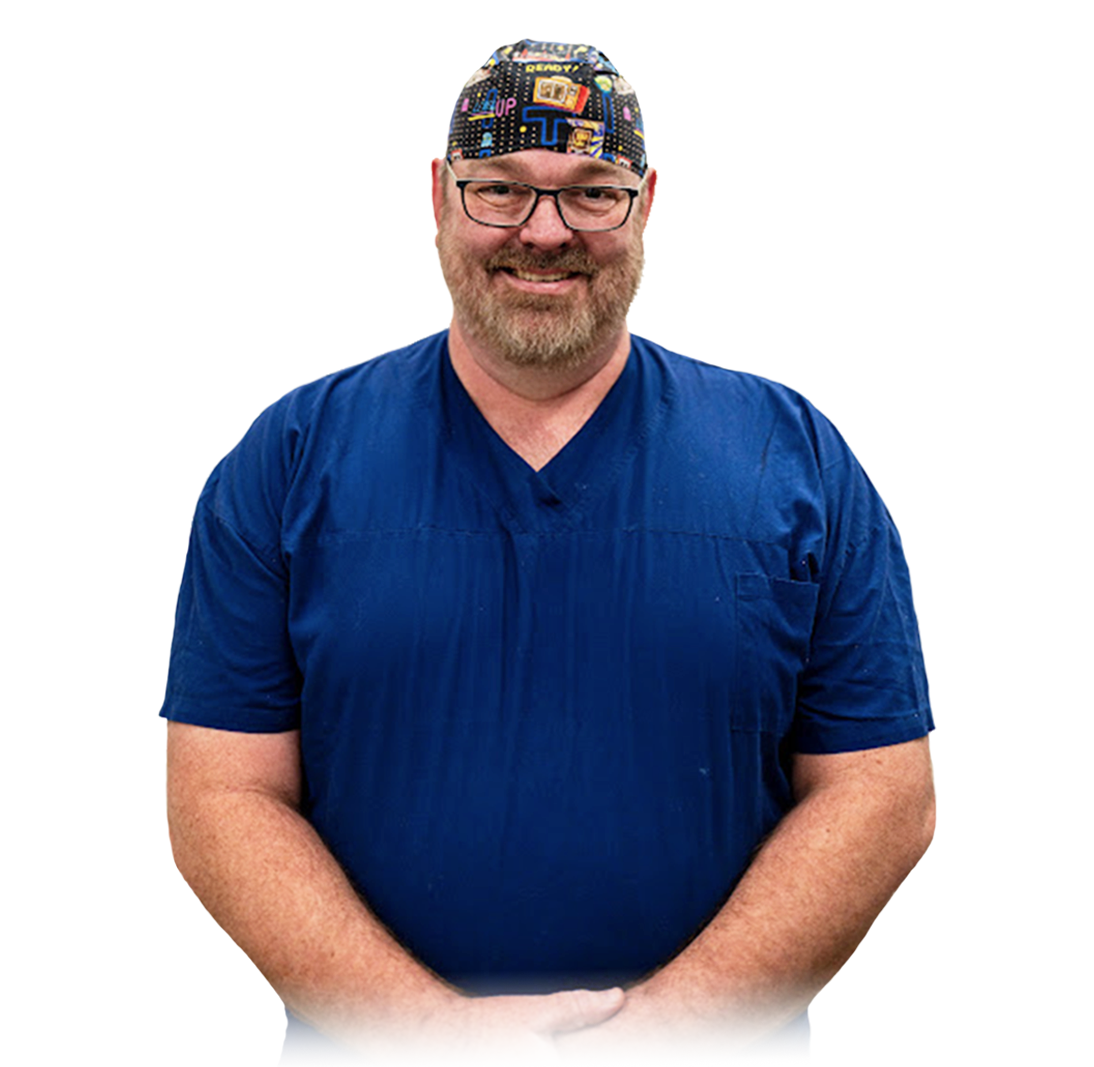
At Illawarra Brain & Spine, our neurosurgeon acts quickly to identify the source of bleeding and deliver life-saving treatment. He tailors every care plan to the patient’s condition and the characteristics of the haemorrhage.
From initial diagnosis to follow-up care, we focus on preserving function, preventing complications, and supporting recovery.
Frequently Asked Questions
Who is at risk of subarachnoid haemorrhage?
People with high blood pressure, a history of smoking, or a family history of aneurysms are at higher risk. SAH is also more common in women and in people over 40.
What are the potential complications?
Complications include vasospasm (narrowing of blood vessels), rebleeding, seizures, hydrocephalus (fluid buildup), and long-term memory or concentration issues.
Can you recover from SAH?
Recovery depends on the severity of the bleed and how quickly treatment is given. Around one-third of patients recover well, one-third live with some disability, and one-third do not survive. Early intervention improves outcomes.
Do I need a referral to see a neurosurgeon?
Yes. A referral from your GP or specialist is required to schedule your consultation.