Nerve Root Impingement
Nerve root impingement occurs when a spinal nerve is compressed or “pinched” as it exits the spinal canal. This pressure can lead to pain, numbness, tingling, or weakness along the path of the affected nerve, often impacting the neck, back, arms, or legs.


Symptoms & Complications
The severity and location of symptoms depend on which nerve root is affected. The two most common regions impacted are:
Lumbar spine (lower back):
- Pain radiating from the lower back into the buttocks, legs, or feet (sciatica)
- Numbness or tingling in the legs
- Weakness in the foot or toes
- Most commonly affects the L5-S1 level
Cervical spine (neck):
- Neck pain radiating into the shoulder, arm, or fingers
- Weakness in the arms or hands
- Pins-and-needles sensation, particularly around the shoulder blades
- Often affects the C6-C7 level
In both regions, impingement may result from disc bulges, bone spurs, or spinal degeneration. If untreated, chronic nerve compression may lead to long-term functional impairment.
Surgical Treatment Option
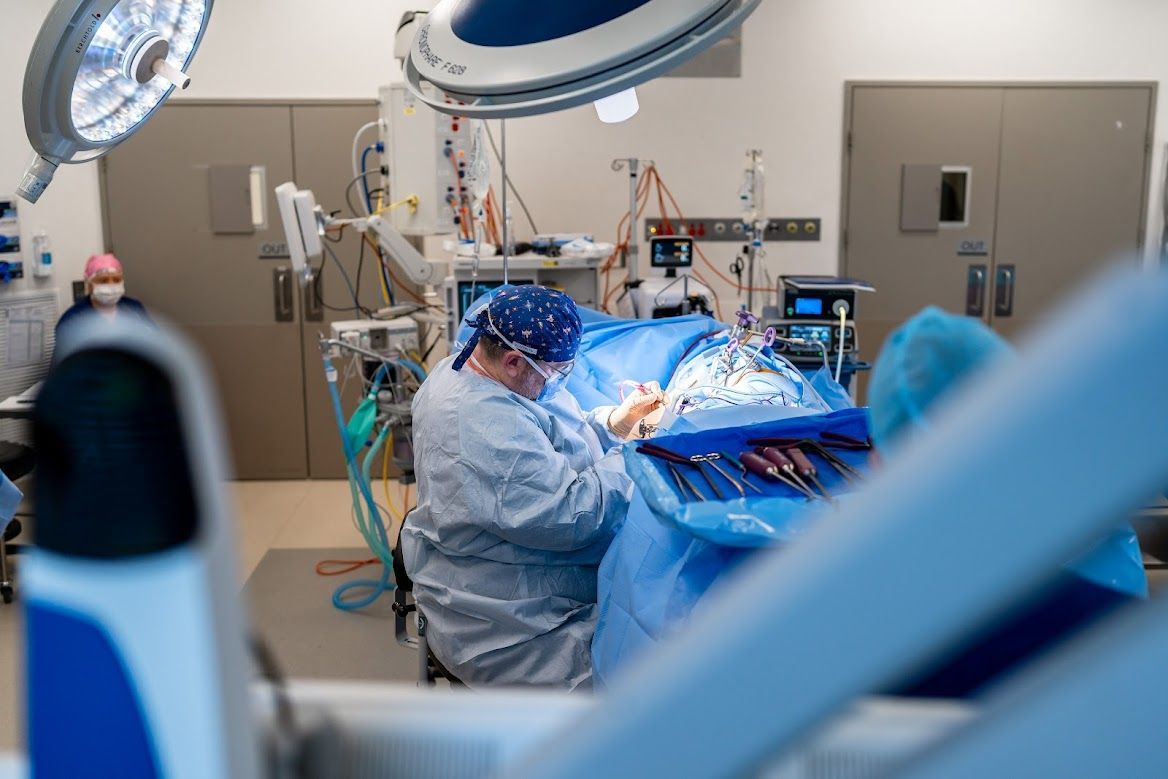
This procedure involves removing bone or soft tissue from the back of the neck to relieve pressure on the spinal cord or nerve roots. It treats nerve compression in the cervical spine and can reduce pain, weakness, and numbness in the arms or shoulders.
What to Expect at Your Consultation
During your consultation, our experienced neurosurgeon will:
- Take a detailed medical history and symptom review
- Examine your spinal mobility and nerve function
- Assess imaging such as MRI or CT scans to locate the impingement
Treatment recommendations may include:
- Conservative care (physiotherapy, medications, spinal injections)
- Surgical decompression if symptoms are persistent or progressive
We’ll ensure you fully understand your diagnosis and treatment options, and guide you with personalised, compassionate care.

Frequently Asked Questions
What happens if nerve damage goes untreated?
Untreated nerve root compression can lead to worsening pain, muscle weakness, loss of function, and — in some cases — permanent nerve damage.
Is nerve-related pain permanent?
It depends on the cause and severity. Many patients experience significant relief with treatment, but long-standing compression may lead to chronic symptoms.
How long does recovery take?
Recovery times vary. Some patients improve within weeks with conservative care, while surgical recovery may take several weeks to months.
Can nerve root impingement cause pain?
Yes. The condition commonly causes pain that radiates along the nerve pathway, such as down the arm or leg, often with associated numbness or tingling.
Can it be prevented?
While not always preventable, good posture, proper lifting techniques, regular exercise, and spine-friendly habits can reduce the risk of nerve impingement.
Do I need a referral to see a neurosurgeon?
Yes. You must have a referral from your General Practitioner (GP) before you can book a consultation with our team.