Excision of Cyst or Spinal Tumour
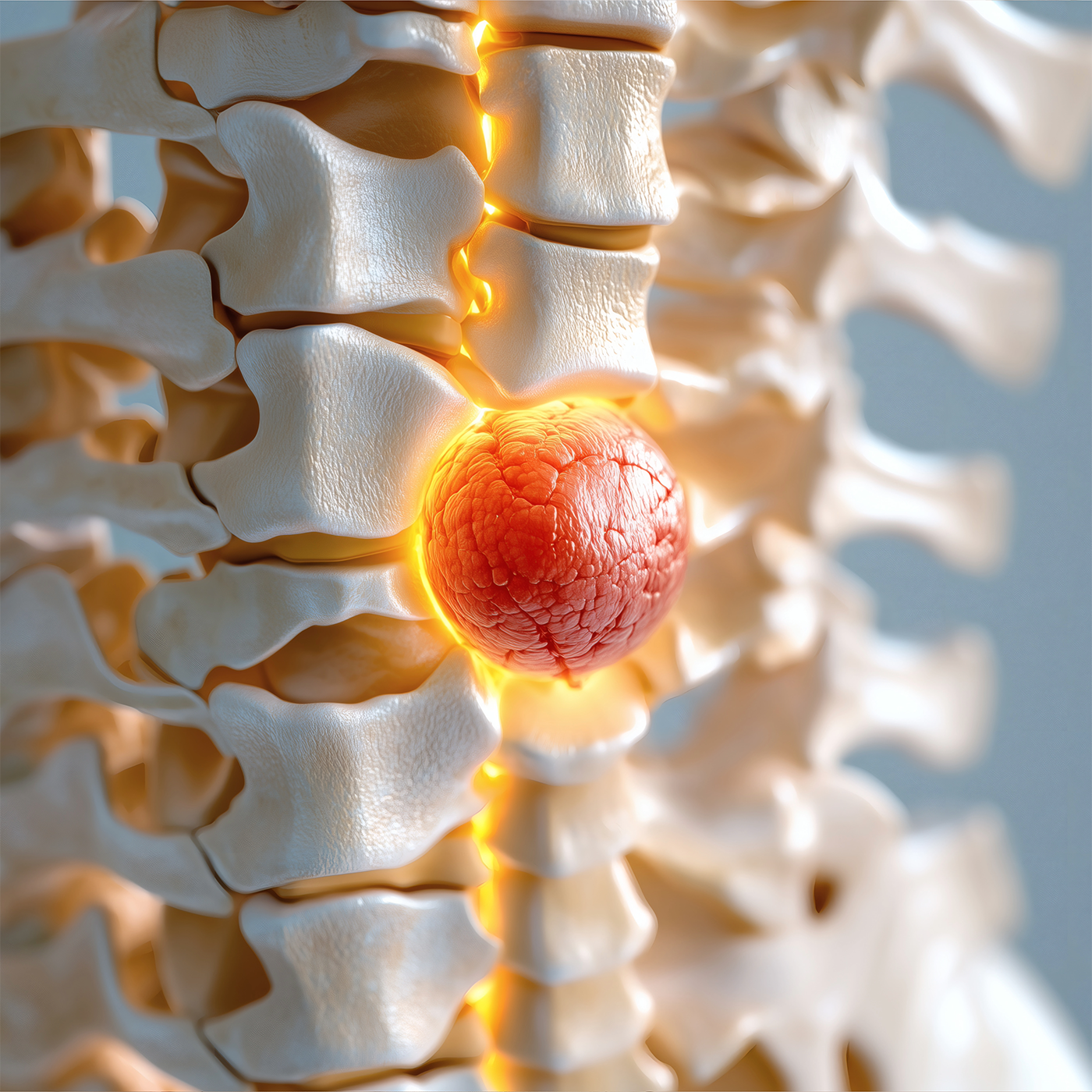
Excision of a spinal cyst or tumour is a surgical procedure that removes abnormal growths that form along or within the spinal column. These growths may be non-cancerous (benign) or cancerous (malignant). They can compress nearby nerves or spinal structures, leading to pain, weakness, numbness, or in some cases, bowel or bladder dysfunction.

What to Expect
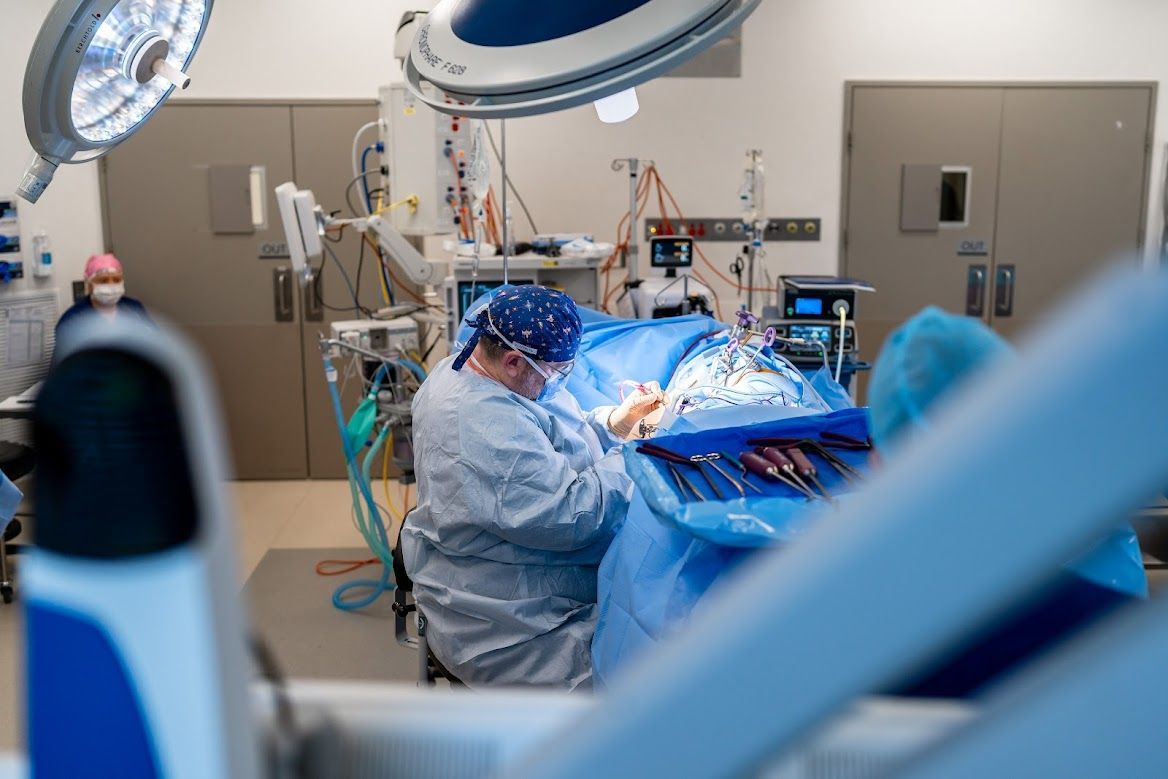
The procedure involves incision in the back to carefully access and remove the cyst or tumour. A minimally invasive approach may sometimes be used, while more complex or extensive growths may require open surgery.
If the tumour or cyst affects spinal stability, spinal fusion or stabilisation hardware may be placed during the same operation to maintain alignment and prevent future complications.
The main goals of surgery are to:
- Relieve pressure on nerves or the spinal cord
- Alleviate pain, numbness, or weakness
- Restore function and stability to the spine
- Diagnose the nature of the growth through pathology (if not already known)
What to Expect at Your Consultation
During your initial consultation, your neurosurgeon will:
- Discuss your symptoms and review your medical history
- Conduct a detailed physical and neurological examination
- Review any existing imaging (MRI, CT, etc.) to determine the location and characteristics of the lesion
We’ll clearly explain your diagnosis, whether surgical excision is appropriate, and the expected outcomes. We’ll also thoroughly address any questions about recovery time, risks, or follow-up care.
Post-operative Care for Spinal Tumour or Cyst Excision
After your surgery, your recovery will be carefully supported with a plan tailored to your needs. This includes:
- Pain management and monitoring for signs of infection or neurological change
- Wound care instructions to promote safe healing
- Activity guidelines, including how to safely reintroduce movement and walking
You’ll attend a four-week post-operative review to assess your healing progress and determine when it is safe to resume driving, return to work, or begin any needed rehabilitation.
Note: Patients are encouraged to remain gently mobile early in recovery to support healing, unless otherwise advised by your surgeon.
Follow-Up with Your GP
- 1 week post-op
– to review pain relief, monitor healing, and manage medications
- 2 weeks post-op – to support your ongoing recovery and assess wound status
Frequently Asked Questions
Is a spinal tumour always cancerous?
No. Many spinal tumours are benign, such as schwannomas or meningiomas. However, diagnosis through imaging and pathology is essential to determine the type and appropriate treatment.
How long does it take to recover from spinal tumour or cyst removal?
Recovery can vary depending on the complexity of the surgery. Most patients begin returning to light activities within 4–6 weeks, while full recovery and spinal fusion (if performed) may take several months.
Will I need radiation or further treatment after surgery?
If the tumour is malignant, your neurosurgeon may consult an oncologist to determine whether additional treatment, such as radiation therapy, is needed.
What are the risks of spinal tumour surgery?
As with all surgeries, there are risks, including infection, bleeding, nerve injury, spinal instability, and CSF leaks. These are uncommon, but your surgeon will explain how to manage or minimise them.
Do I need a referral to see a neurosurgeon?
Yes. A referral from your GP is required before your consultation can be scheduled.
Already Have a Referral?