Lumbar Fusion
Lumbar fusion is a surgical procedure stabilising the spine by joining two or more vertebrae in the lower back. It is often performed to relieve pain caused by spinal instability or degeneration and may be recommended for conditions such as degenerative disc disease, spondylolisthesis, spinal stenosis, or vertebral fractures.


What to Expect
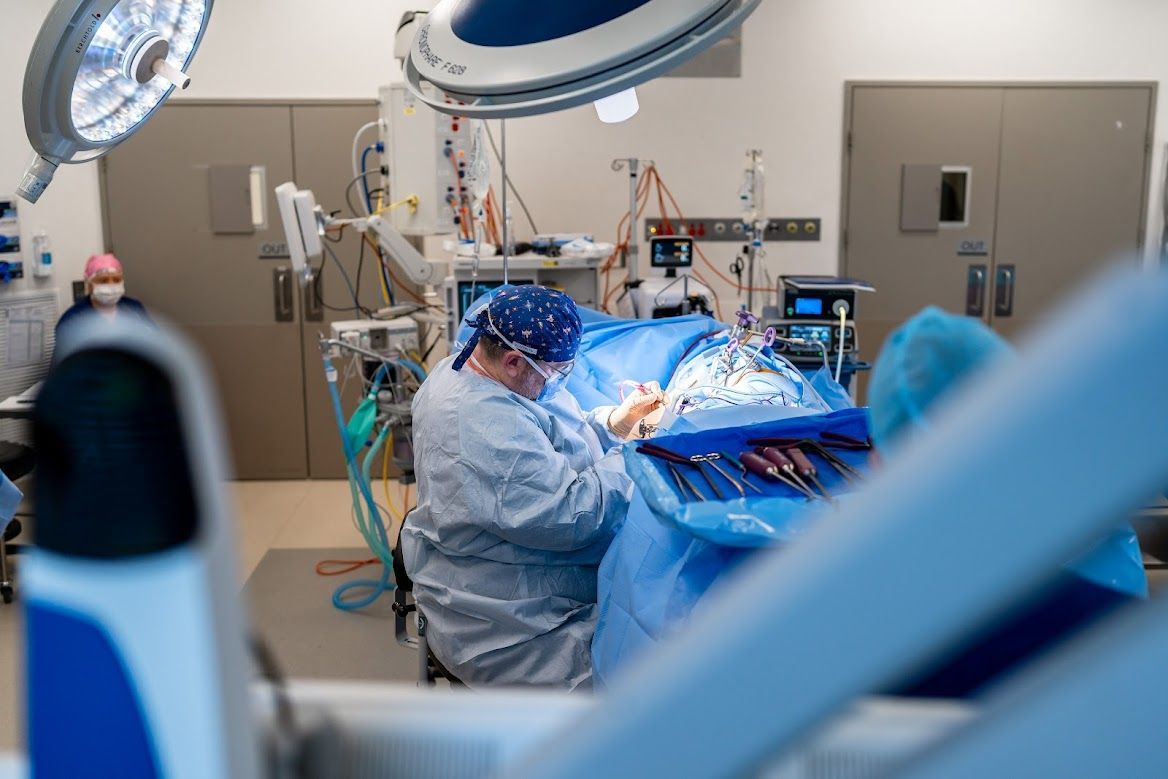
The goal of lumbar fusion is to stop painful motion between affected vertebrae and create a solid segment of bone. During surgery, your neurosurgeon places a bone graft between the vertebrae, sometimes with the addition of metal hardware (screws, rods, or plates) to stabilise the area while it heals.
The procedure may be done through:
- A posterior approach (from the back)
- An anterior approach (from the front)
- Or a combination of both, depending on the diagnosis and your anatomy
Fusion aims to relieve pressure on spinal nerves, restore spinal alignment, and prevent further degeneration in the affected segment.
What to Expect at Your Consultation
During your initial appointment at Illawarra Brain & Spine, your neurosurgeon will:
- Review your symptoms and medical history
- Examine your spine and mobility
- Assess diagnostic imaging (MRI and/or CT)
We’ll explain the source of your symptoms and walk you through treatment options, including physiotherapy, pain management, or surgery. If lumbar fusion is recommended, you’ll be provided a full explanation of the procedure, recovery timeline, and what to expect during rehabilitation.
Post-operative Care for Lumbar Fusion
After surgery, your care is focused on recovery, mobility, and wound healing. This includes:
- Pain management and anti-inflammatory medications
- Monitoring for signs of infection or complications
- Supportive physiotherapy to regain strength and mobility
Your neurosurgeon will assess your progress at a four-week post-operative appointment and advise when it’s safe to resume driving, return to work, or exercise.
Tip: Staying gently active during recovery helps improve circulation and supports a faster return to normal activities.
You should also visit your GP at one and two weeks post-op for ongoing medication support and wound care reviews.
Frequently Asked Questions
How long is the recovery after lumbar fusion?
Most patients begin to feel better within 6–12 weeks, with complete recovery and spinal fusion typically taking 6–12 months. Return to daily activities varies by individual.
Will I have restricted movement after surgery?
Some stiffness is expected, particularly at the fused levels, but with appropriate rehab, most people regain good mobility and function.
Is lumbar fusion permanent?
Yes — the goal is for the vertebrae to fuse permanently. This can reduce pain and stabilise the spine, but it also means the fused section no longer moves independently.
Already Have a Referral?