Cauda Equina Syndrome
Cauda Equina Syndrome (CES) is a rare but serious spinal condition that occurs when the cauda equina — a bundle of nerves at the base of the spinal cord — becomes severely compressed. This condition is a surgical emergency, as delayed treatment can result in permanent neurological damage, including incontinence and lower limb paralysis.

Symptoms & Complications
Cauda equina syndrome can have a sudden or gradual onset. Early recognition is critical, and patients are urged to seek immediate medical attention if they notice any of the following:
- Severe lower back pain
- Numbness or tingling in the saddle region (inner thighs, buttocks, or genitals)
- Loss of bladder or bowel control
- Sexual dysfunction
- Weakness or numbness in one or both legs
- Difficulty walking or standing
Common causes of CES include:
- Large herniated disc in the lumbar spine
- Trauma or spinal injury
- Tumours or spinal metastases
- Spinal infections or abscesses
- Severe spinal stenosis
If left untreated, CES can lead to irreversible nerve damage and long-term disability.
Surgical Treatment Option
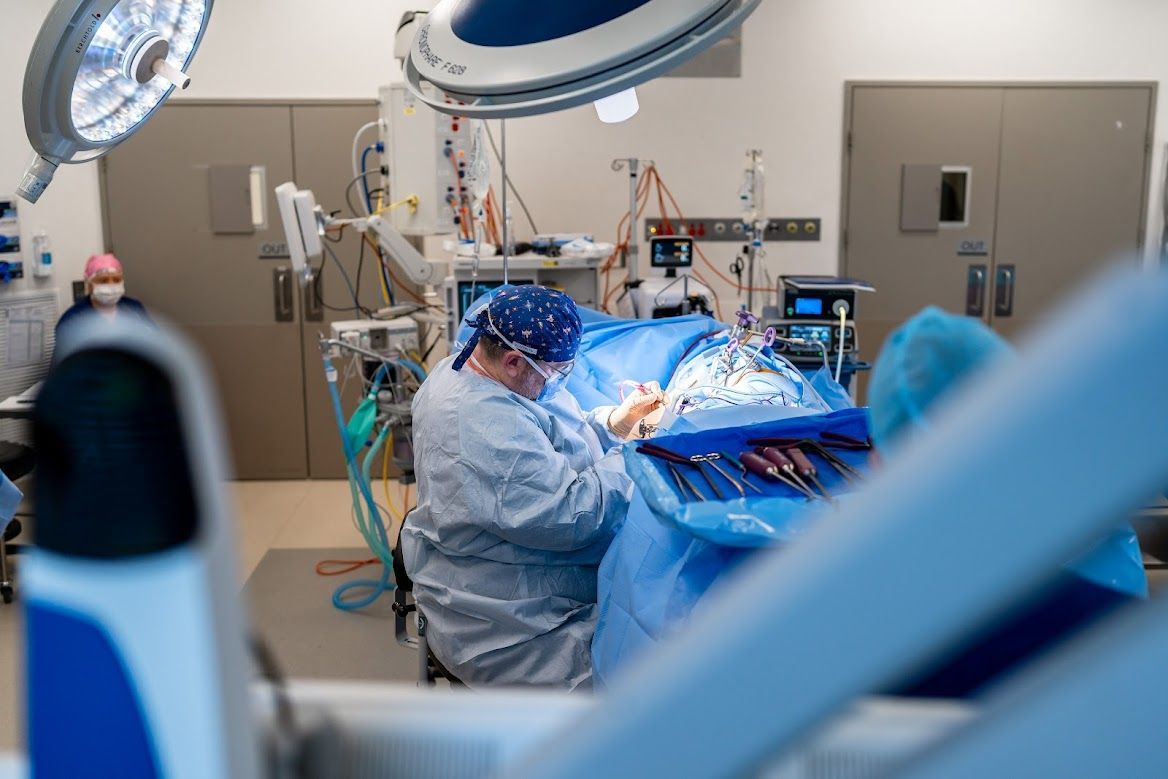
This procedure involves removing the pressure source on the nerves, such as a disc fragment, tumour, or bone, to restore function and relieve symptoms. The specific surgical approach will depend on the underlying cause of compression, but time is critical to achieving the best possible outcome.
What to Expect at Your Consultation
Because cauda equina syndrome is considered a medical emergency, it’s often identified in a hospital setting. However, urgent assessment is essential for patients with developing or suspected CES symptoms.
Your neurosurgeon will:
- Review your symptoms and medical history in detail
- Conduct a focused neurological examination
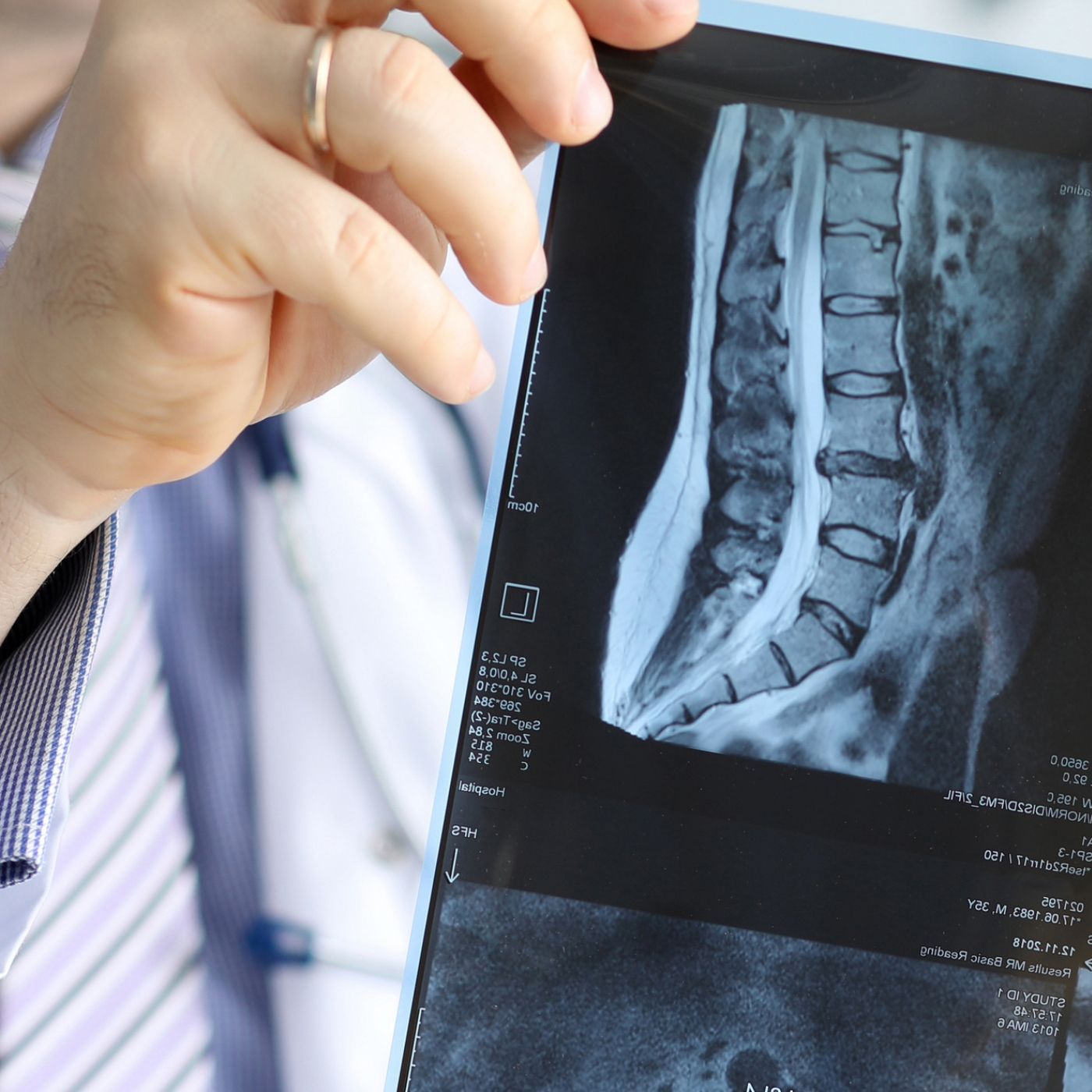
- Review urgent imaging (typically MRI or CT) to confirm diagnosis
- Advise on immediate surgical intervention if CES is confirmed
Our team provides clear communication, fast-tracked referrals, and rapid care coordination to minimise delays and optimise patient outcomes.
Frequently Asked Questions
What happens if cauda equina is not treated?
Delayed treatment can result in permanent nerve damage, including bladder and bowel incontinence, leg paralysis, and loss of sexual function. Timely surgical decompression is essential.
Can you fully recover from cauda equina syndrome?
Recovery varies. With early surgery, many patients regain significant function. However, depending on the duration and severity of nerve compression, some may experience lasting symptoms.
Is cauda equina syndrome permanent?
It can be. If diagnosis and treatment are delayed, CES may lead to permanent neurological deficits. Prompt surgical care offers the best chance of recovery.
Can you still walk with cauda equina syndrome?
Some patients retain mobility, while others may experience difficulty walking or require mobility aids. Early treatment improves the likelihood of preserving leg function.
Do I need a referral to see a neurosurgeon?
Yes. If you are not in an emergency setting but suspect symptoms, a referral from your GP is required for consultation. However, urgent hospital evaluation is recommended if CES symptoms are present.