Laminotomy
Laminotomy is a minimally invasive spinal surgery that relieves pressure on the spinal cord or nerve roots by removing a small section of the lamina, the bony arch on the back of each vertebra. This procedure is typically performed to treat spinal stenosis, herniated discs, or bone spurs that cause nerve compression and symptoms like pain, numbness, tingling, or weakness.

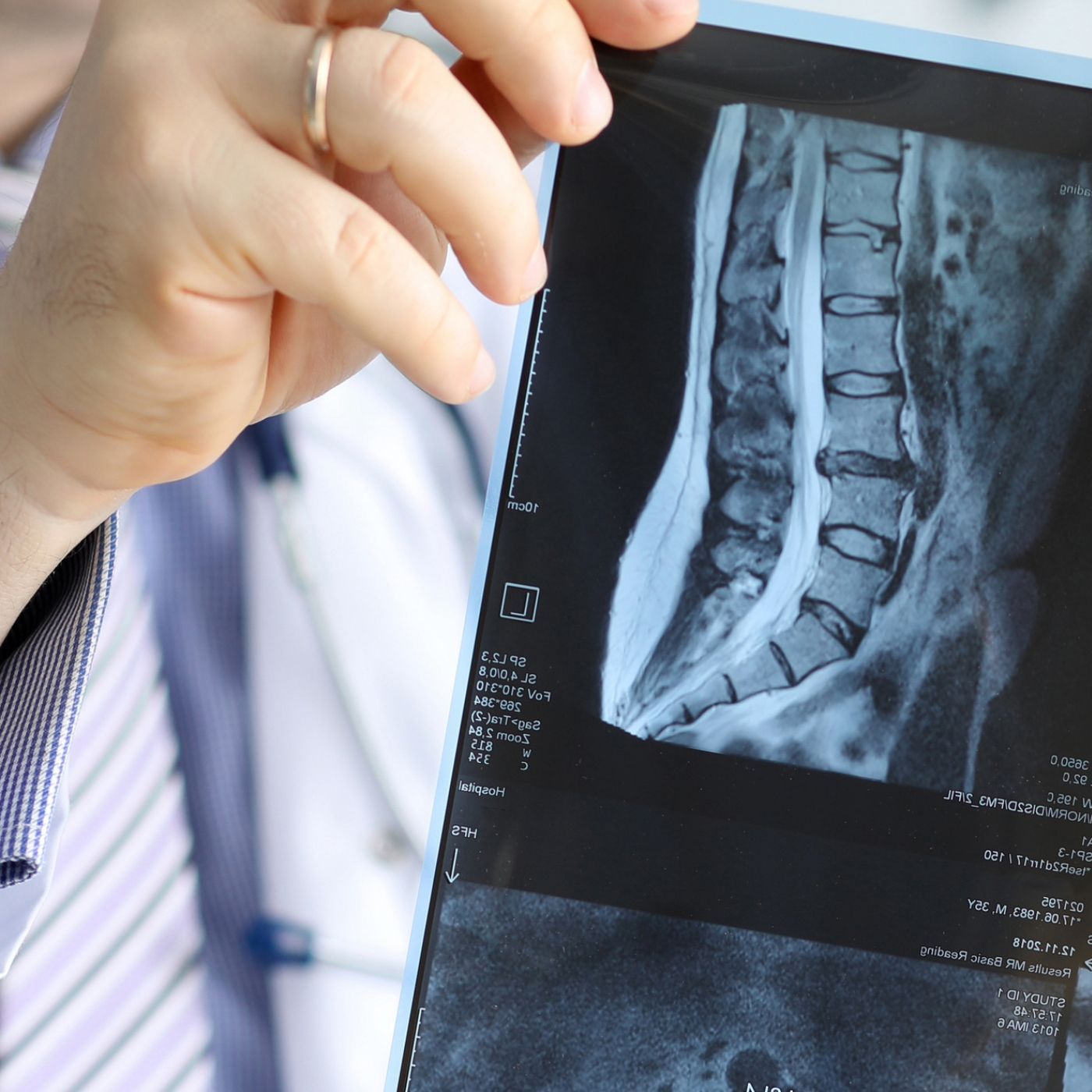
What to Expect
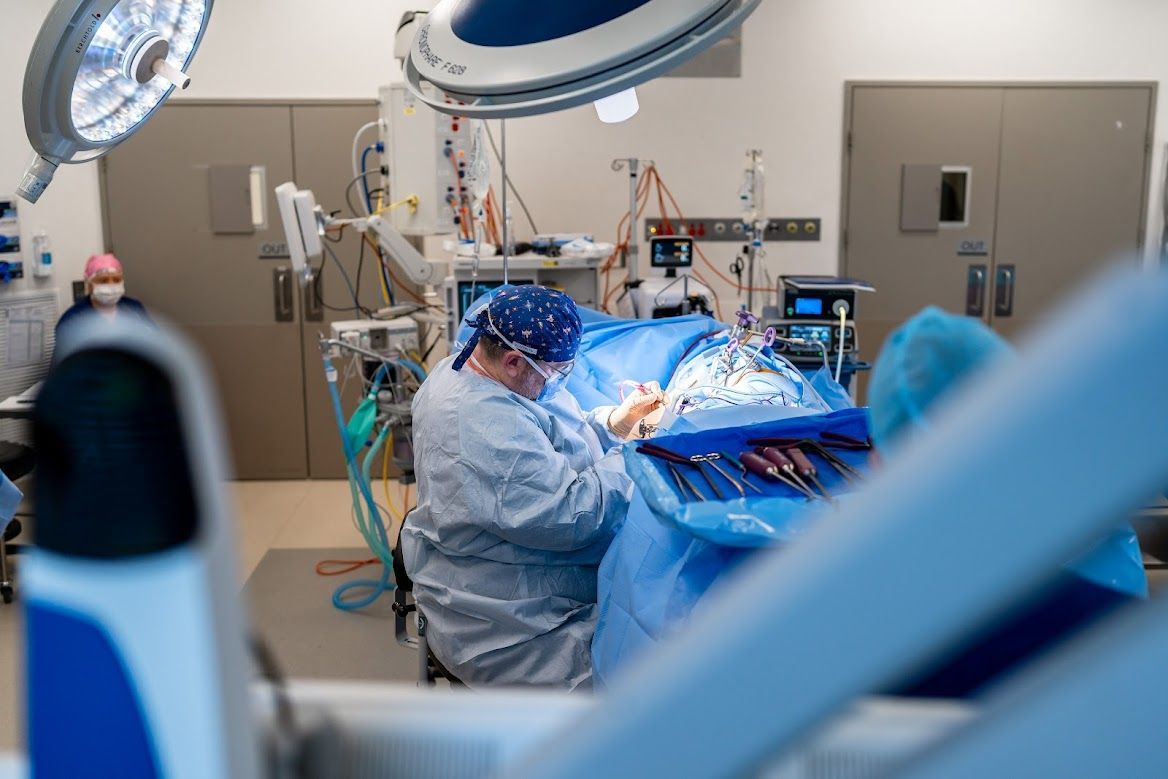
During the procedure, the surgeon makes a small incision in the back and removes a portion of the lamina to create more space within the spinal canal. Additional tissue or disc fragments contributing to nerve compression may also be removed if necessary.
Laminotomy is less invasive than a complete laminectomy and aims to:
- Alleviate pressure on compressed nerves
- Preserve spinal stability
- Minimise damage to nearby muscles and tissues
It is typically performed under general anaesthesia and may be done as a day surgery, allowing many patients to return home the same day.
What to Expect at Your Consultation
At your consultation with a neurosurgeon at Illawarra Brain & Spine, we will:
- Review your medical history and symptoms
- Perform a physical and neurological examination
- Evaluate your spinal imaging (MRI, CT, or X-rays) to confirm the diagnosis
We will explain your condition, discuss whether a laminotomy is the most suitable treatment, and walk you through the procedure, recovery expectations, and any alternatives.
Post-operative Care for Laminotomy
Recovery from laminotomy is generally smooth and quicker than more invasive spinal procedures. Your care includes:
- Pain management and anti-inflammatory medication
- Monitoring for signs of infection or complications
- Gradual reintroduction of physical activity to support healing
Four weeks after surgery, you will return for a post-operative review. At this appointment, your neurosurgeon will assess your healing, address any concerns, and advise when you can safely resume driving or return to work.
Tip: Light walking is encouraged early in recovery to support circulation and prevent stiffness, but avoid heavy lifting or bending until cleared.
GP Follow-up Appointments
To ensure a seamless recovery, please schedule visits with your GP:
- 1 week post-op – for medication support and wound care
- 2 weeks post-op – to evaluate healing and manage any ongoing symptoms
Frequently Asked Questions
How long is the recovery after a laminotomy?
Most patients experience noticeable relief from symptoms within a few days to weeks. Light activities can often resume within 1–2 weeks, while full recovery may take 4–8 weeks, depending on individual health and the complexity of the procedure.
Is a laminotomy different from a laminectomy?
Yes. A laminotomy removes only a portion of the lamina to relieve pressure on the spinal nerves, preserving more of the spinal structure. A laminectomy, on the other hand, involves removing most or all of the lamina and is often more extensive.
Will I need physiotherapy after surgery?
In many cases, yes. Physiotherapy can help improve flexibility, restore strength, and reduce the risk of future injury. Your surgeon will guide you on the best plan based on your recovery progress.
Is this considered minimally invasive surgery?
Yes. Laminotomy is often performed using minimally invasive techniques, meaning smaller incisions, less tissue disruption, and typically a faster recovery compared to open surgery.
Do I need a referral to see a neurosurgeon?
Yes. A referral from your General Practitioner (GP) or specialist is required to schedule an appointment.
Already Have a Referral?