Posterior Cervical Decompression
Posterior cervical decompression is a spinal procedure to relieve pressure on the spinal cord or nerve roots in the cervical spine (neck). This surgery is commonly performed to treat spinal stenosis, herniated discs, bone spurs, or tumours compressing the spinal cord or exiting nerves.


What to Expect
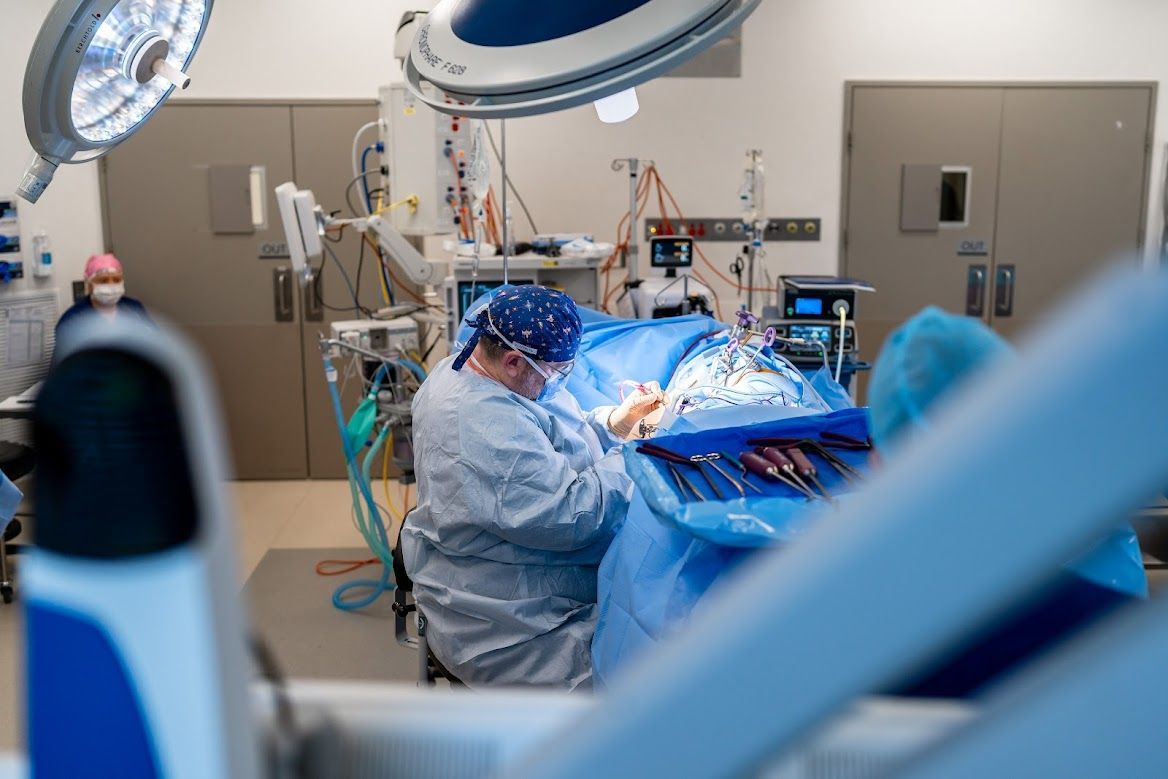
During the procedure, your neurosurgeon makes a small incision at the back of the neck. The lamina — the bony arch covering the spinal canal — is removed or reshaped to relieve compression on the spinal cord or nerve roots. Additional structures, like herniated disc fragments or thickened ligaments, may also be removed.
Posterior cervical decompression can:
Improve spinal cord and nerve function
- Alleviate symptoms such as neck pain, numbness, tingling, and weakness in the arms or hands
- Help prevent further neurological deterioration
In some cases, spinal fusion may be performed alongside decompression to stabilise the affected segment, mainly if there’s spinal instability.
What to Expect at Your Consultation
During your consultation at Illawarra Brain & Spine, your neurosurgeon will:
- Discuss your symptoms and medical history
- Perform a neurological and spinal examination
- Review your imaging (MRI or CT) to assess the degree of nerve or spinal cord compression
We will provide a precise diagnosis and walk you through the treatment options. If surgery is recommended, we’ll explain the procedure in detail, address any concerns, and outline the recovery timeline.
Post-operative Care for Posterior Cervical Decompression
After surgery, you’ll receive tailored care to support your recovery. This includes:
- Pain relief and inflammation management
- Monitoring for wound healing and signs of infection
- Gentle mobilisation to restore neck range of motion
You will attend a four-week post-operative review with your surgeon to evaluate healing and recovery progress, and discuss when it is safe to resume driving, return to work, or begin physiotherapy if recommended.
Tip: Walking and light activity, as long as they are within your limits, during the early stages of recovery can assist healing and prevent stiffness.
GP Follow-up
Please schedule appointments with your GP:
- 1 week post-op
– for medication review and dressing management
- 2 weeks post-op
– to assess progress and provide continued support
Frequently Asked Questions
How long does it take to recover from posterior cervical decompression?
Initial recovery typically takes 4–6 weeks. Full recovery, including return to normal activities and work, varies depending on the procedure and your general health.
Will I need a neck brace after surgery?
Sometimes, yes — mainly if spinal fusion was performed. Your surgeon will advise based on the extent of your surgery.
Can the symptoms return after surgery?
Surgery usually provides long-lasting relief. However, it doesn’t stop ongoing degeneration in other parts of the spine, so long-term monitoring and supportive care may be needed.
Will I need physiotherapy?
Yes. Physiotherapy may be recommended after the initial recovery phase to strengthen the neck and upper back, restore range of motion, and prevent stiffness.
Do I need a referral to see a neurosurgeon?
Yes. A referral from your General Practitioner (GP) is required to schedule your consultation.
Already Have a Referral?