Aneurysm Clipping
Aneurysm clipping is a surgical procedure used to treat a weak spot in a blood vessel in the brain, helping to prevent it from rupturing. The procedure involves placing a small metal clip at the base of the aneurysm to stop blood flow and reduce the risk of bleeding.
This technique is typically used to treat cerebral aneurysms that are at risk of rupture or have already ruptured.


What to Expect
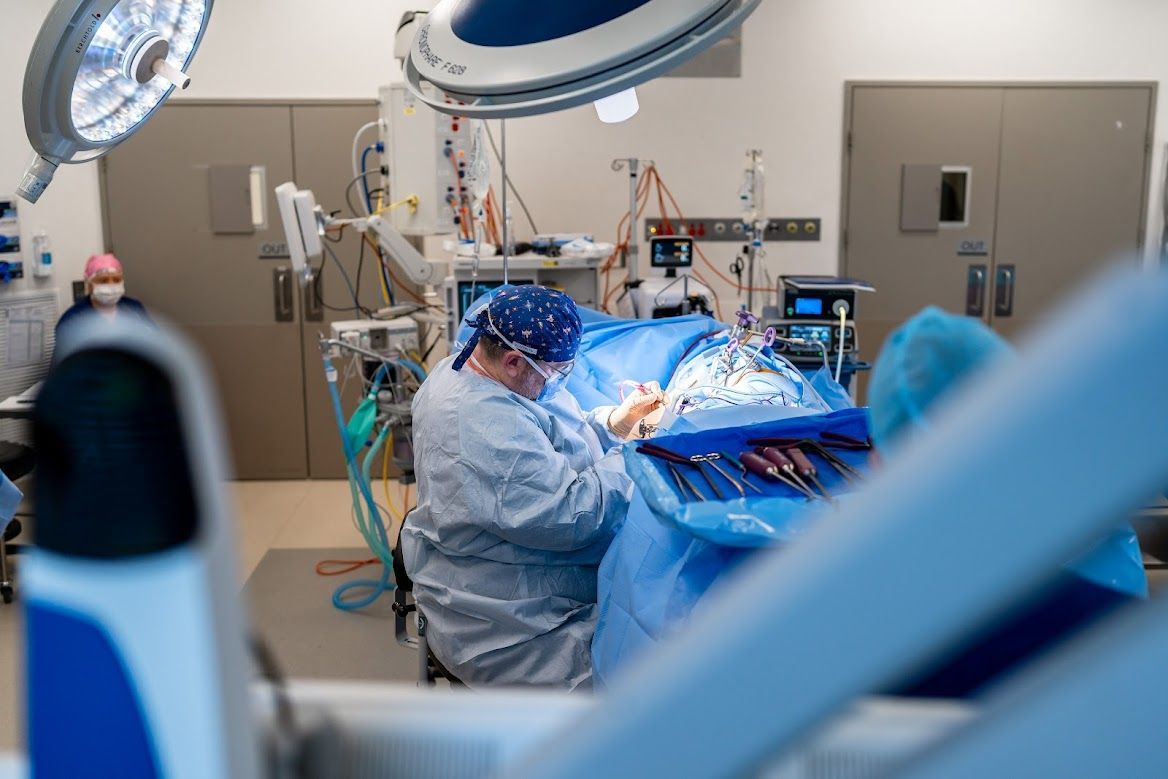
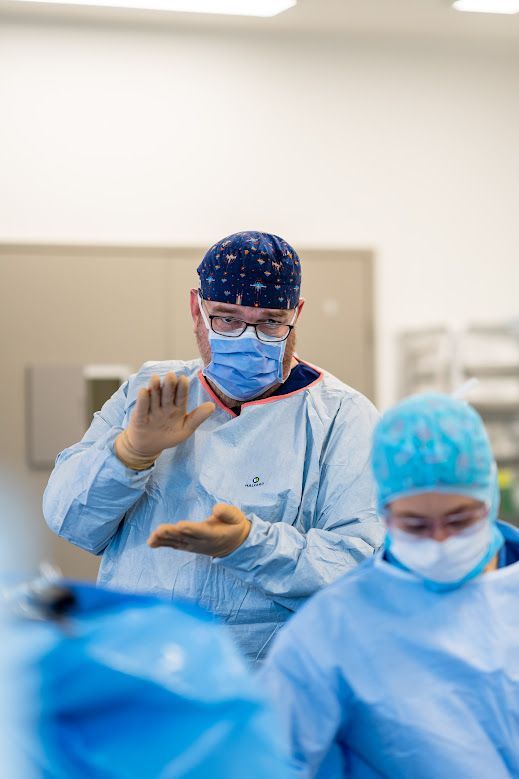
At Illawarra Brain & Spine, our experienced neurosurgeon uses advanced microsurgical techniques to perform aneurysm clipping with precision and care.
The procedure is performed under general anaesthesia. A small incision is made in the scalp, and a craniotomy is performed to temporarily remove a section of the skull and access the brain.
Once the aneurysm is located, a tiny metal clip is placed at its base to isolate it from the bloodstream. The clip remains in place permanently to prevent the aneurysm from refilling with blood. The skull is then secured, and the incision is closed.
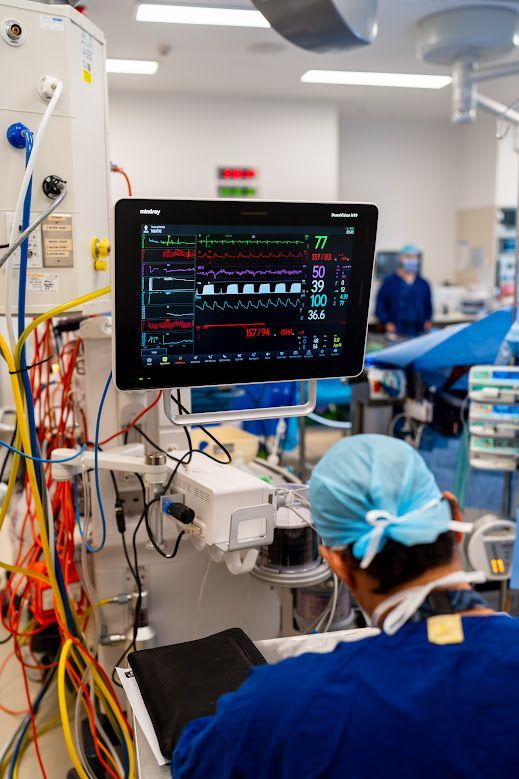
After surgery, patients are closely monitored in recovery to manage pain, assess neurological function, and reduce the risk of complications.
Post-Operative Care
After clipping surgery, recovery involves:
- Monitoring vital signs and neurological function
- Wound care and infection prevention
- Support with mobility and gradual return to daily activities
- Follow-up appointments with your neurosurgeon and GP
- Advice on when it is safe to resume driving or return to work
Family members or carers may be given instructions to support wound care and ongoing recovery at home.
Frequently Asked Questions
Why would I need aneurysm clipping?
Clipping is recommended for aneurysms that are at risk of rupturing or have already caused a subarachnoid haemorrhage. Based on your imaging and clinical symptoms, your neurosurgeon will determine if this is the most appropriate treatment.
Are there risks if an aneurysm is not treated?
Yes. An untreated aneurysm can rupture, leading to bleeding in the brain — a potentially life-threatening condition.
How are aneurysms diagnosed?
Diagnosis often involves CT or MRI scans, sometimes followed by a cerebral angiogram. In some cases, a lumbar puncture may be used to detect bleeding.
What are the signs of a ruptured aneurysm?
Symptoms may include sudden severe headache, nausea, vomiting, blurred vision, and loss of consciousness. Immediate medical attention is critical.
Do I need a referral to see a neurosurgeon?
Yes. A GP or specialist referral is required to schedule your consultation and ensure coordinated care.
Already Have a Referral?