Synovial Cyst
A synovial cyst is a fluid-filled sac that forms near a spinal joint, typically due to degenerative changes such as osteoarthritis. These cysts are most commonly found in the lumbar spine, especially around the L4-L5 level, and may lead to symptoms when they press on nearby nerves or the spinal cord.


Symptoms & Complications
Synovial cysts are often associated with degeneration in the spine’s facet joints. While some cysts cause no symptoms, others can grow large enough to compress nearby nerves, resulting in a condition called lumbar spinal stenosis.
Common symptoms may include:
- Lower back
pain or stiffness
- Pain radiating into the buttocks or legs (radiculopathy)
- Numbness, tingling, or weakness in the legs
- Difficulty walking or standing for extended periods
In some cases, these cysts may rupture, releasing fluid into nearby tissue and worsening symptoms.
Surgical Treatment Option
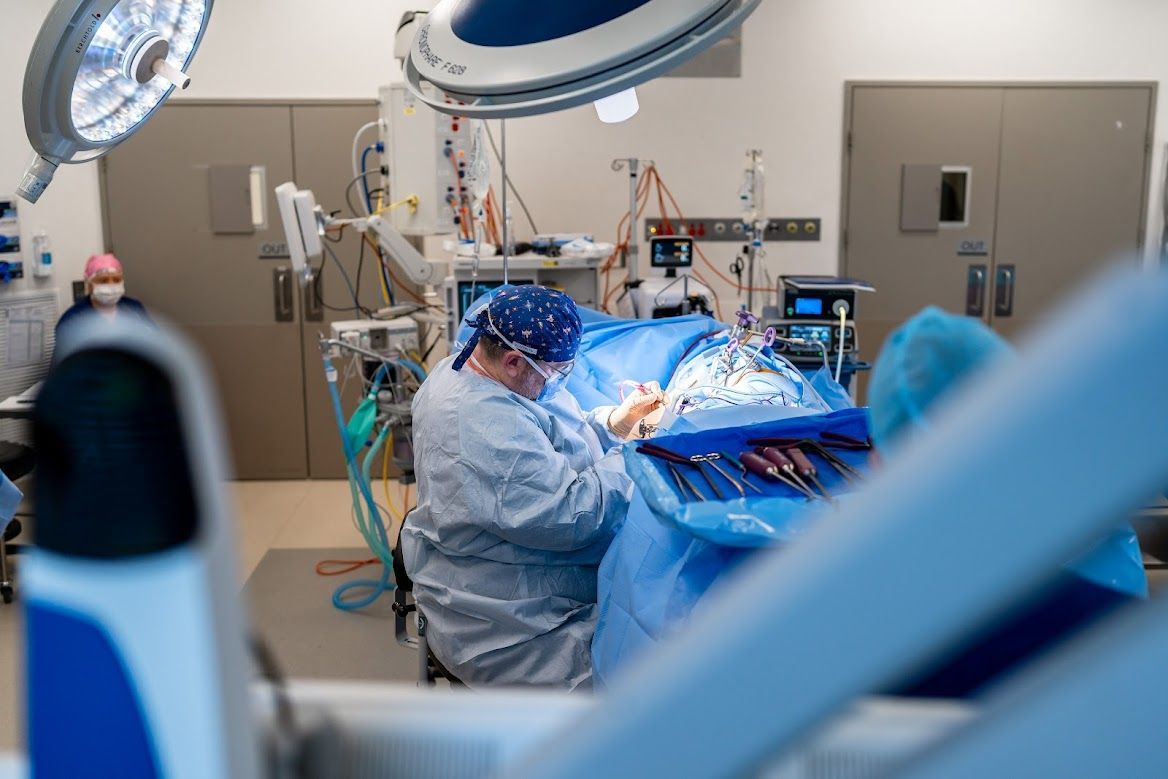
This procedure involves removing a small portion of the lamina (the back part of the vertebra) and widening the neural foramen — the nerve exit pathway — to create more space and decompress the affected area. It is beneficial in cases where synovial cysts are causing nerve impingement.
What to Expect at Your Consultation
Your neurosurgeon will thoroughly review your medical history and any previous imaging. If needed, advanced scans such as MRI or CT will help confirm the size and location of the cyst and whether it is compressing spinal nerves.
Your personalised treatment plan may include:
- Conservative management such as physiotherapy, medications, or image-guided injections
- Surgical removal of the cyst and decompression if symptoms do not improve
We’ll walk you through every step of the process and help you make an informed decision about your care.

Frequently Asked Questions
Can a synovial cyst go away without surgery?
In some cases, yes. If the cyst is small and not causing severe symptoms, it may be managed with observation, medication, or spinal injections. In some instances, it may resolve on its own.
What happens if a synovial cyst is not treated?
Untreated cysts may continue growing and pressure spinal nerves, worsening pain, numbness, or mobility issues. In rare cases, they may rupture and cause inflammation in surrounding tissues.
Is a synovial cyst a tumour?
No, synovial cysts are benign (non-cancerous). They are associated with joint degeneration but do not behave like tumours. However, they can still cause significant symptoms due to nerve compression.
When should I seek help?
If you experience persistent lower back pain, radiating leg symptoms, or difficulty walking, seeking medical advice is essential. Symptoms that interfere with daily activities may indicate a cyst affecting spinal nerve function.
Can I prevent a synovial cyst from forming or growing?
While they can’t always be prevented, maintaining spine health through regular exercise, managing arthritis or disc degeneration, and avoiding repetitive stress on the lower back can help reduce risk.
Do I need a referral to see a neurosurgeon?
Yes. A referral from your General Practitioner (GP) is required to schedule an appointment.