Craniotomy
A craniotomy is a specialised surgical procedure where a portion of the skull (called a bone flap) is temporarily removed to access the brain. It is performed to treat a range of conditions, including brain tumours, vascular malformations, traumatic brain injuries, and pressure caused by bleeding or swelling in the brain.


What to Expect
At Illawarra Brain & Spine, our experienced neurosurgeon uses advanced techniques to plan and perform each craniotomy with precision and care.
Before surgery, your specialist will review detailed imaging (MRI or CT scans) to plan the safest and most effective approach.
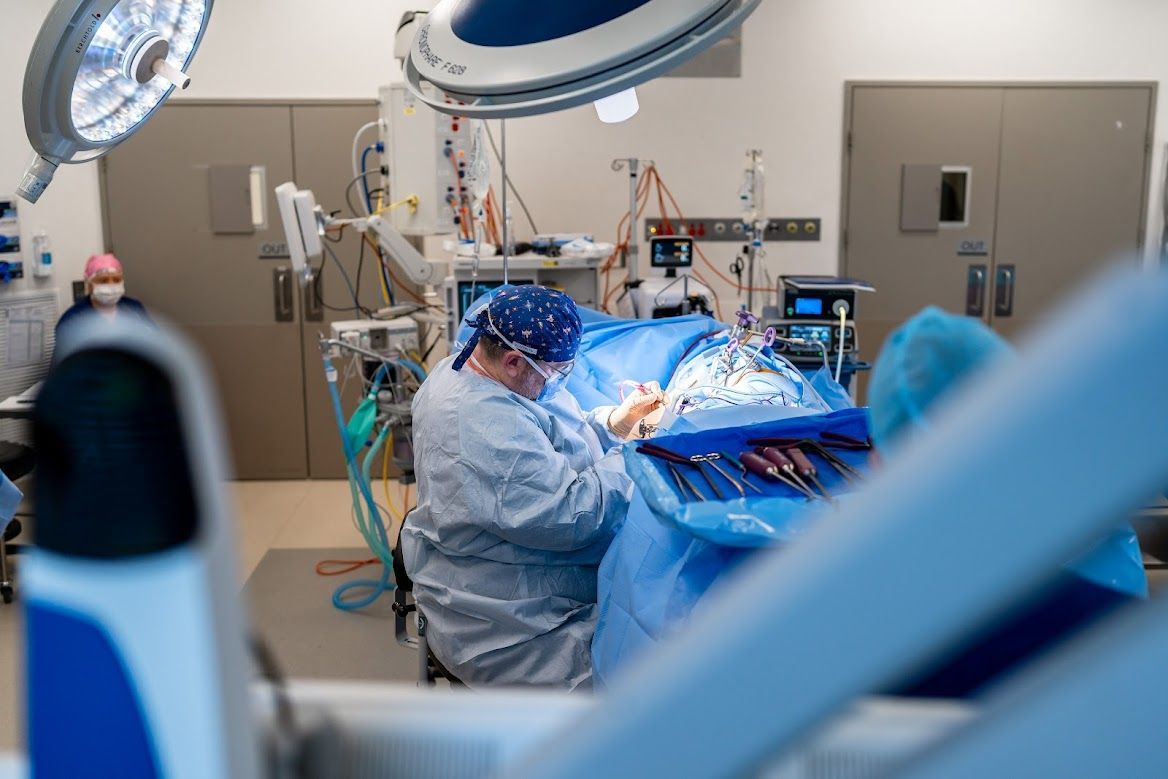
The procedure is performed under general anaesthesia. An incision is made in the scalp, and a section of the skull is carefully removed. The brain’s protective covering, the dura mater, is then opened to access the affected area.
After the necessary treatment is completed, the bone flap is securely replaced using small plates or screws, and the scalp is closed. You will then be transferred to recovery for post-operative monitoring.
Why a Craniotomy May Be Needed
A craniotomy may be recommended to treat:
- Brain tumours
- Aneurysms or arteriovenous malformations (AVMs)
- Bleeding inside the skull (e.g. subdural haematoma)
- Traumatic brain injuries
- Elevated intracranial pressure
Your neurosurgeon will determine whether this procedure is appropriate based on your condition, imaging results, and overall health.
Recovery & Post-Operative Care
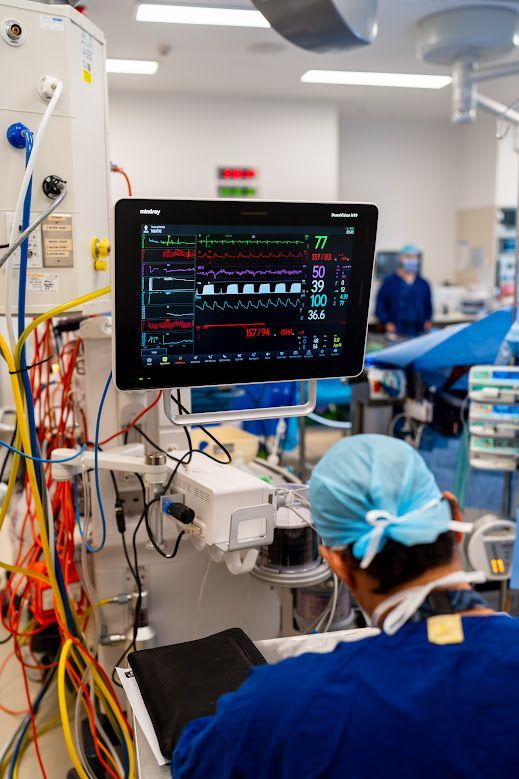
After surgery, your care will be closely managed to support healing and minimise complications. This includes:
- Pain management
- Wound care
- Monitoring for neurological changes
- Physiotherapy or rehabilitation, if required
- Guidance on returning to normal activities, including driving
Follow-up appointments will be scheduled with your general practitioner (usually at one and two weeks) and your neurosurgeon to monitor your recovery.
Frequently Asked Questions
Is a craniotomy always required for brain surgery?
Not always. Some brain conditions can be treated with less invasive techniques. Your surgeon will recommend the most appropriate approach for your situation.
Will the bone flap be put back?
Yes — in most cases, the bone flap is replaced and secured during the same surgery.
How long does recovery take?
Hospital stays are usually several days. Depending on the complexity of the surgery and your overall health, complete recovery may take a few weeks to several months.
Do I need a referral?
Yes. A GP or specialist referral is required to book a consultation with our neurosurgeons.
Already Have a Referral?