Cervical Laminoforaminotomy
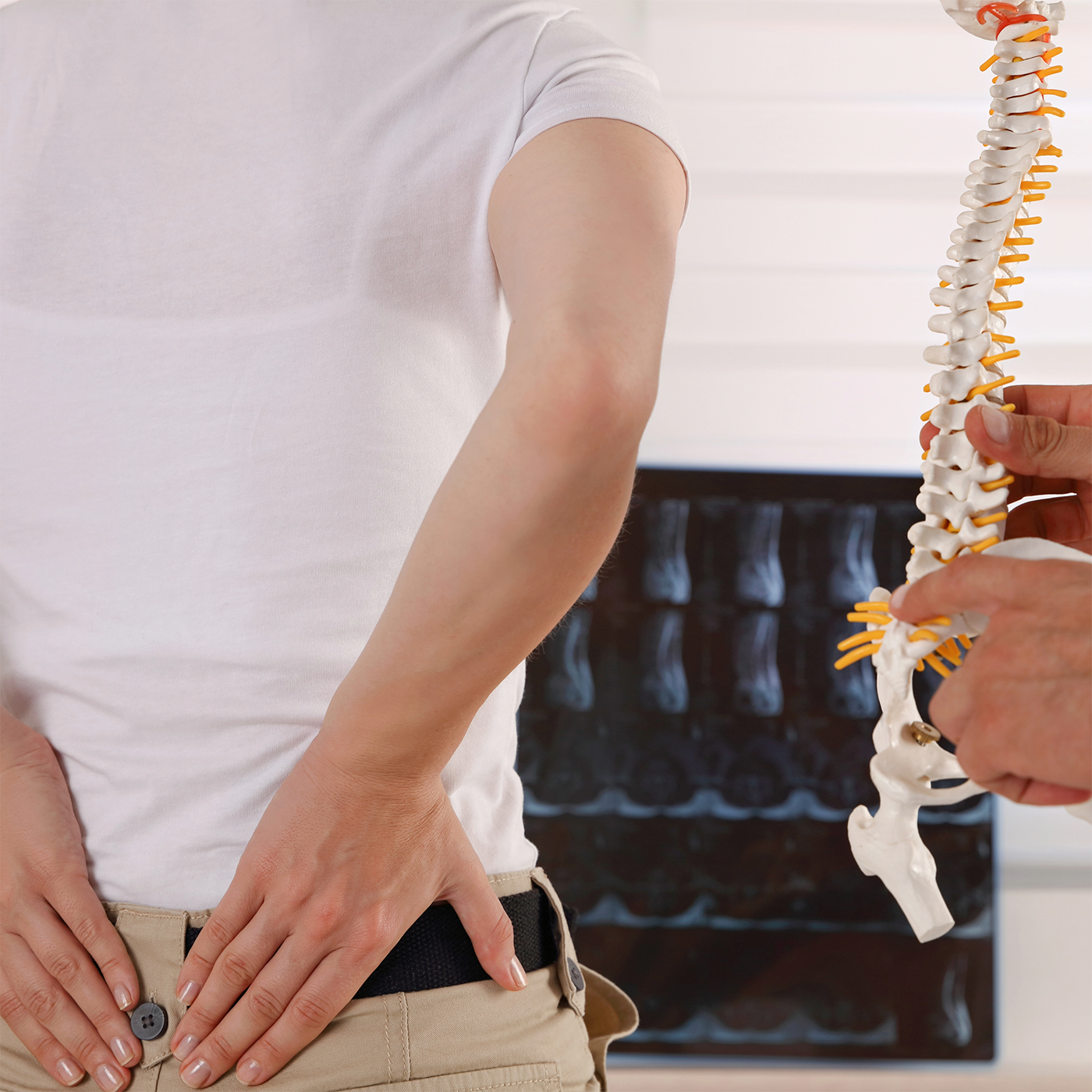
Cervical laminoforaminotomy is a minimally invasive spinal procedure used to relieve pressure on nerves in the cervical spine (neck), particularly where they exit the spinal canal through openings called foramina. It’s commonly performed for spinal stenosis, herniated discs, or bone spurs that compress nerve roots and cause pain, tingling, or weakness in the arms or shoulders.

What to Expect
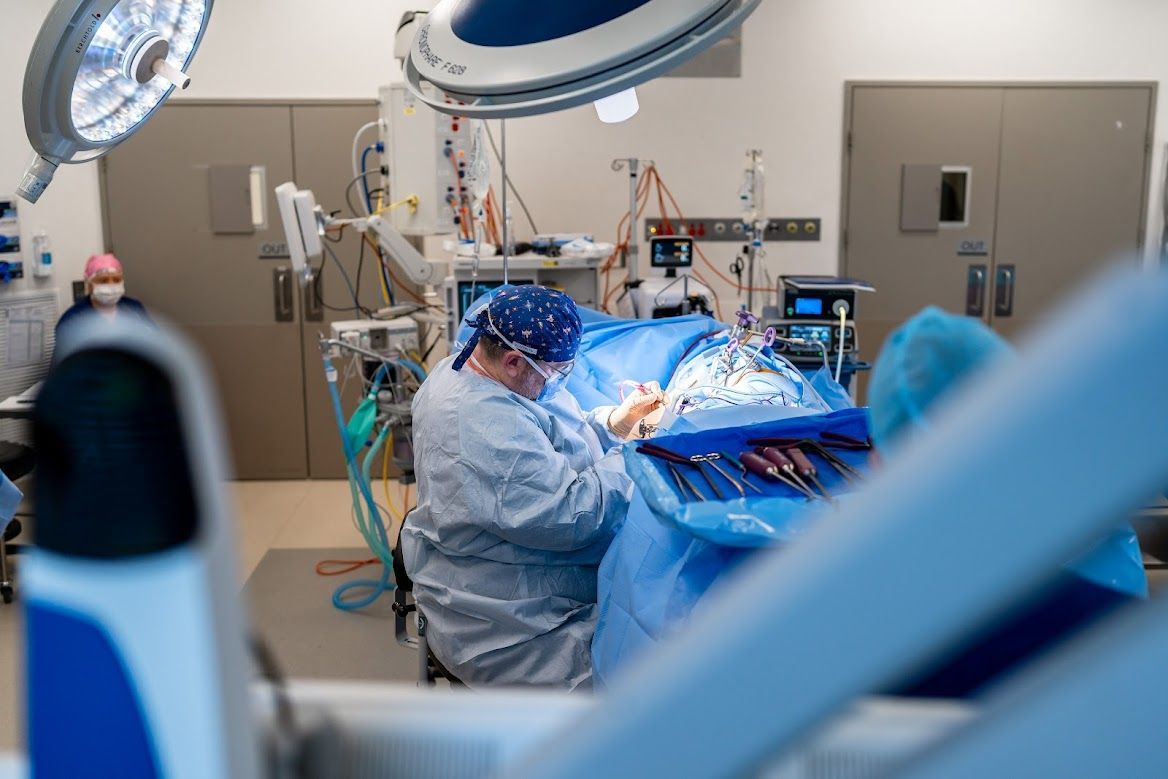
During a laminoforaminotomy, a small incision is made in the back of the neck. The surgeon removes a portion of the lamina (the back part of the vertebra) and surrounding structures near the foramen, creating space for the compressed nerve to pass freely.
The goal of this procedure is to:
- Decompress nerve roots
- Alleviate symptoms such as neck pain, arm pain, or weakness
- Preserve spinal stability and function
This procedure is often performed using minimally invasive techniques, which result in less muscle disruption and a faster recovery than traditional open surgery. Depending on the complexity and patient condition, it may be done as day surgery.
What to Expect at Your Consultation
During your initial visit at Illawarra Brain & Spine, your neurosurgeon will:
- Review your symptoms and medical history
- Conduct a physical and neurological examination
- Review spinal imaging (MRI or CT scans) to locate the compressed nerve
We’ll clearly explain your diagnosis, discuss whether cervical laminoforaminotomy is suitable, and talk through surgical and non-surgical options so you can make an informed decision.
Post-operative Care for Cervical Laminoforaminotomy
After surgery, you’ll receive personalised post-operative care to support your healing and restore function. This typically includes:
- Pain and inflammation management
- Instructions for wound care and monitoring for complications
- Gentle mobilisation and walking as tolerated
You’ll attend a four-week follow-up appointment with your surgeon to assess healing and discuss return to driving, work, and activity levels.
Tip: Light daily activity supports recovery — but avoid heavy lifting, twisting, or overhead movements until cleared by your surgeon.
Follow-Up with Your GP
- 1 week post-op – review medications, assess wound
- 2 weeks post-op – monitor progress and address any concerns
Frequently Asked Questions
Is cervical laminoforaminotomy the same as a complete laminectomy?
No. A laminoforaminotomy is less invasive. It targets a specific area to relieve nerve pressure, preserving more of the spine’s natural structure than a laminectomy.
How long does it take to recover?
Most patients return to light activity within 1–2 weeks and experience significant symptom relief within a few weeks. Full recovery can take 6–12 weeks, depending on individual health and surgical complexity.
Will I need physiotherapy after the procedure?
Often, yes. Physiotherapy can help restore neck mobility, improve posture, and strengthen the muscles that support the cervical spine.
Are there risks or complications?
As with any surgery, there are potential risks, including infection, nerve injury, bleeding, or spinal instability. These are rare, and your surgeon will discuss them in detail during your consultation.
Do I need a referral to see a neurosurgeon?
Yes. A GP referral is required before scheduling your initial consultation.
Already Have a Referral?