Sacroiliac Joint Pain
Sacroiliac (SI) joint pain occurs where the sacrum (base of the spine) meets the ilium (pelvic bone). Though the SI joint allows minimal movement, it plays a key role in weight transfer between the upper body and legs. Dysfunction or inflammation in this joint can cause lower back or pelvic pain that worsens with standing, walking, or specific movements.

Symptoms & Complications
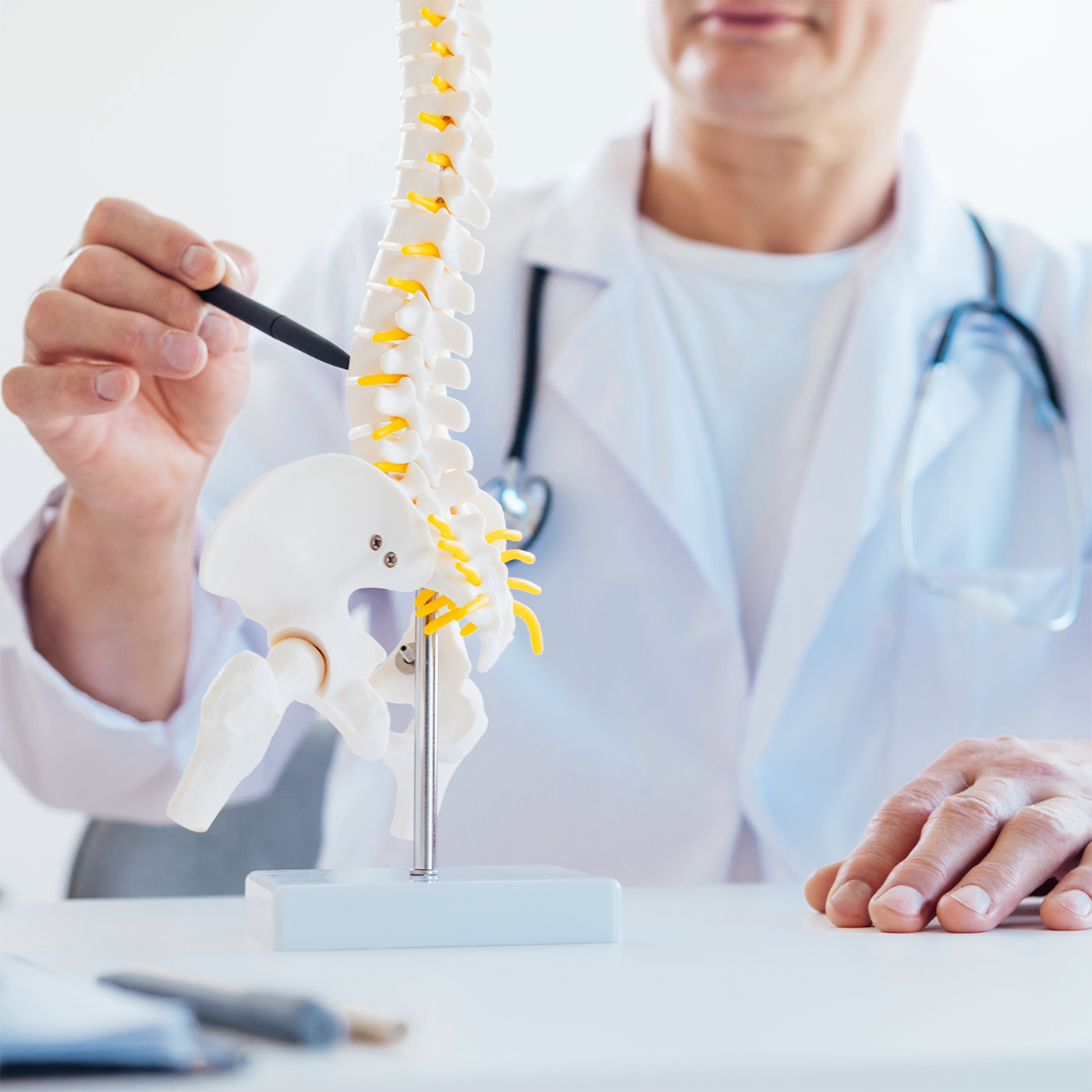
Sacroiliac joint dysfunction may arise from trauma, joint instability, inflammatory conditions, biomechanical changes, or hormonal shifts, such as during pregnancy.
Common symptoms include:
- Pain in the lower back, buttocks, groin, or thighs
- Discomfort that radiates down the leg
- Difficulty sitting, standing, or walking for extended periods
- Limping or restricted hip mobility
- Associated symptoms such as eye inflammation, psoriasis, or fever (in inflammatory conditions)
SI joint dysfunction can significantly impact mobility and daily activities in severe or chronic cases.
Surgical Treatment Option
This procedure involves permanently joining the sacrum and ilium bones to stabilise the joint and reduce pain. It may be recommended when nonsurgical measures have failed to relieve pain caused by SI joint dysfunction or instability.
What to Expect at Your Consultation
During your consultation, our experienced neurosurgeon will:
- Review your symptoms and medical history
- Conduct a physical examination of your lower back and pelvis
- Review diagnostic imaging (X-ray, MRI) or evaluate previous diagnostic injections to confirm the SI joint as the pain source
Once diagnosed, your personalised treatment plan may include:
- Conservative therapies (physical therapy, medications, joint injections)
- Surgical options, such as SI joint fusion, if symptoms are persistent
We aim to improve your stability, reduce your pain, and help you regain mobility by providing clear guidance and compassionate care throughout your journey.

Frequently Asked Questions
How is sacroiliac joint pain diagnosed?
Diagnosis often involves a clinical exam, medical history, imaging (X-ray or MRI), and diagnostic injections to determine whether the SI joint is the source of pain.
Is sacroiliac joint pain common during pregnancy?
Yes. Hormonal changes and joint laxity during pregnancy, particularly in the third trimester, can contribute to SI joint dysfunction in some women.
How long does recovery take?
With appropriate care, many people improve within weeks to months. However, some may experience recurring symptoms depending on the underlying cause and treatment success.
Can SI joint pain be prevented?
While not always preventable, you can reduce your risk by maintaining a healthy weight, using proper posture, avoiding excessive strain on the lower back, and strengthening the muscles that support the pelvis and spine.
Do I need a referral to see a neurosurgeon?
Yes. A referral from your General Practitioner (GP) is required to book an appointment.